
Most people think of olive oil as something for cooking. But did you know it has also been used for centuries as a simple, natural skincare product?
As an Austrian family who left our 9-to-5 lives and moved to Portugal to care for 350 ancient olive trees, we spend a lot of time outdoors in the Alentejo sun. While olive oil is primarily a food product in our household, we occasionally use it on our skin as well—especially after long days working outside.
So, can olive oil be used on skin? And what’s the best way to use it?
Here’s what we’ve learned from both experience and research.
Can You Put Olive Oil on Your Skin?
Yes, olive oil can be applied directly to the skin.
Olive oil contains natural fats, vitamin E, and antioxidant compounds that can help moisturize and soften dry skin.
For generations, people throughout the Mediterranean region have used olive oil not only in the kitchen but also as part of simple beauty and skincare routines.
Today, many people still use olive oil for:
- Dry hands
- Dry elbows
- Rough skin
- After-sun care
- Massage
- Moisturizing dry patches
Our Personal Experience Using Olive Oil on Skin
We are not dermatologists or skincare experts.
We are olive growers.
A few years ago, we moved from Austria to Portugal and now care for approximately 350 olive trees on our 5-hectare farm in the Alentejo region.
Living in southern Portugal means spending plenty of time under strong sunshine, especially during harvest and maintenance work around the farm.
After days with high sun exposure, we sometimes apply a small amount of our own olive oil directly to the skin.
What we notice most is that our skin feels:
- Softer
- Less dry
- More moisturized
We only use a small amount because a little goes a long way.
For us, olive oil is first and foremost a food. But it’s nice to know that the same natural product can also be useful as a simple moisturizer when needed.

Is Olive Oil Good for Dry Skin?
Many people find olive oil helpful for dry skin because it creates a protective layer that helps reduce moisture loss.
This is one reason olive oil has been used traditionally for skin care for hundreds of years.
We especially like it for:
- Dry hands after gardening
- Skin that feels tight after sun exposure
- Dry areas during colder months
When applied in small amounts, olive oil can leave the skin feeling smoother and more comfortable.
How to Apply Olive Oil to Your Skin
If you’d like to try olive oil on your skin, keep it simple.
Step 1
Start with clean skin.
Step 2
Place a few drops of olive oil in your hands.
Step 3
Gently massage it into the desired area.
Step 4
Allow it to absorb naturally.
Remember that more is not always better. Using a small amount usually provides the best result.
Can You Use Olive Oil on Your Face?
This depends on your skin type.
In our experience, olive oil can sometimes feel too heavy for facial use.
People with very dry skin may enjoy it, while others may prefer lighter moisturizers specifically designed for the face.
For hands, arms, legs, and dry patches of skin, olive oil often feels more comfortable and practical.
If you want to try olive oil on your face, it’s generally best to start with a very small amount and see how your skin responds.
Is Olive Oil Good After Sun Exposure?
This is one of the main ways we personally use it.
After spending long hours outdoors in Portugal, our skin can sometimes feel dry from sun and wind exposure.
Applying a small amount of olive oil helps restore moisture and leaves the skin feeling softer.
It’s important to note that olive oil is not a substitute for sunscreen and should not be used as sun protection.
However, after sun exposure, it can be a simple way to help moisturize dry skin.
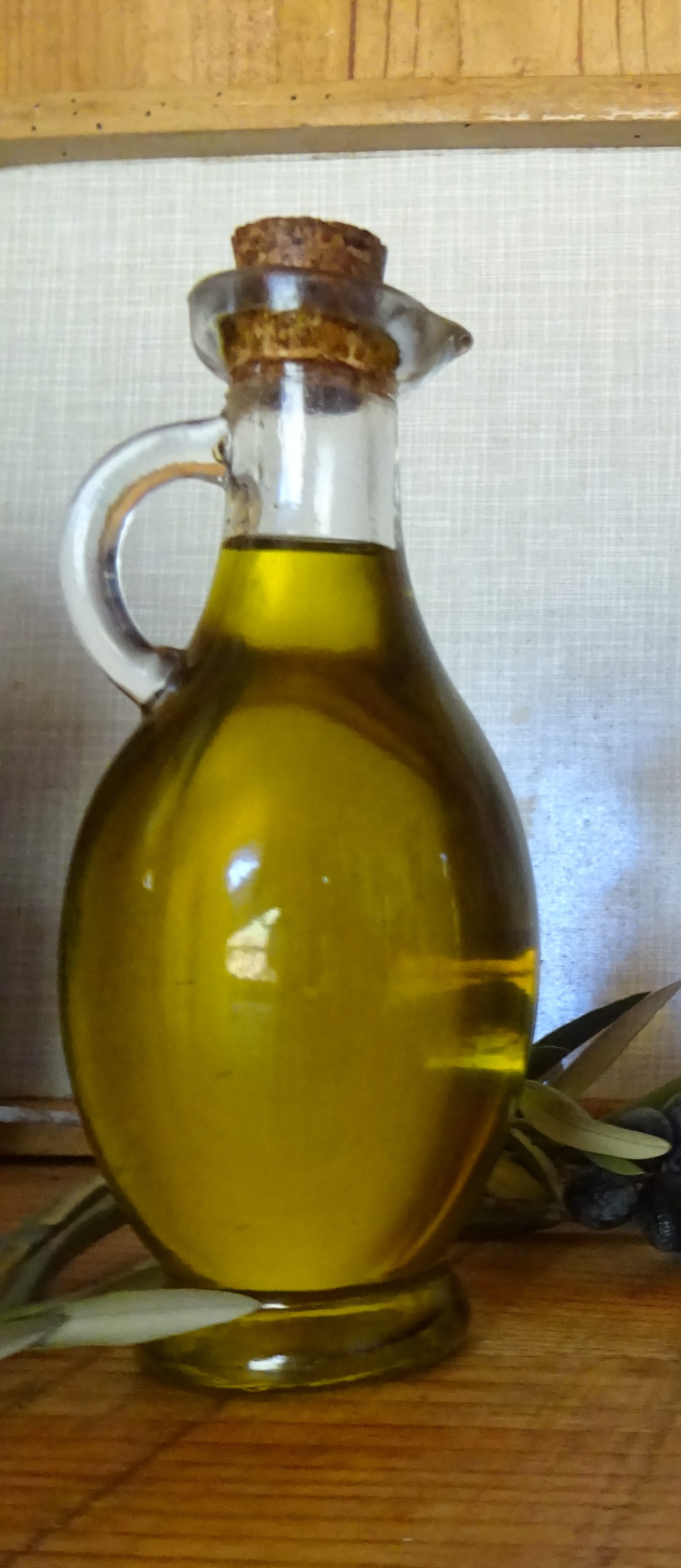
Does the Quality of Olive Oil Matter?
We believe it does.
Just as quality matters when cooking, it also matters when applying olive oil to your skin.
The quality of olive oil depends on factors such as:
- Olive variety
- Growing conditions
- Harvest methods
- Processing
- Freshness
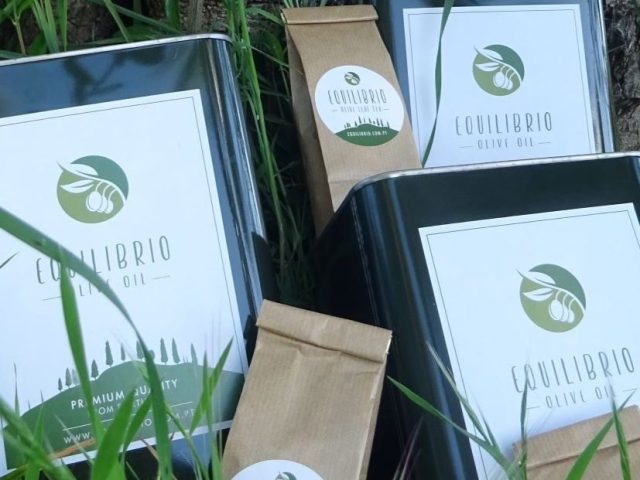
On our farm, we harvest olives naturally and bottle our oil carefully to preserve its quality.
Whether you’re using olive oil in the kitchen or occasionally on your skin, choosing a high-quality product is always a good idea.
Olive Oil: More Than Just Food
One of the things we love most about olive oil is its versatility.
For thousands of years, people have valued olive oil not only as a food but also as part of everyday life.
While we primarily enjoy olive oil as part of a healthy diet, we appreciate knowing that it can also serve as a simple and natural skincare option when needed.
Sometimes the oldest traditions are still useful today.
Final Thoughts
Olive oil can be a simple and effective way to moisturize dry skin.
In our experience, applying a small amount after significant sun exposure can leave the skin feeling softer and more hydrated.
While it may be too rich for some facial skin types, many people enjoy using it on hands, arms, legs, and other dry areas.
As olive growers in Portugal, we see olive oil first as a wonderful food. But it’s also nice to know that the same natural product can occasionally help care for your skin as well.
And if you’d like to experience olive oil directly from the source, consider sponsoring one of our ancient olive trees in Portugal. You’ll receive a photo of your tree, the opportunity to give it a name, and 6 liters of olive oil from the annual harvest—a unique connection to the land, the trees, and the tradition of olive growing.
Sponsorship