From the first olive harvests thousands of years ago to our family’s 350 ancient olive trees in Portugal, discover the fascinating history behind one of the world’s oldest foods.
Have you ever wondered where olive oil originally came from?
When you pour a little olive oil over your salad, dip fresh bread into it, or use it for cooking, you’re enjoying something that humans have valued for thousands of years.
Long before supermarkets, modern agriculture, or even the Roman Empire, people were already harvesting olives and discovering ways to extract their precious oil.
The history of olive oil goes back at least 6,500 years, with some archaeological evidence suggesting production began around 7,000 years ago in the eastern Mediterranean.
But for our family, this history isn’t something we only read about in books.
A few years ago, we left our 9-to-5 lives in Austria and moved to a five-hectare property in Portugal’s Alentejo region. Waiting for us were approximately 350 olive trees, some so old that an elderly Portuguese neighbour estimated their age at around 800 years.
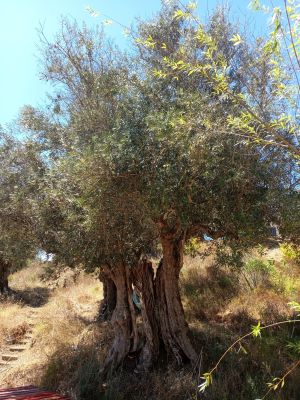
We didn’t know that when we bought the land.
Today, these trees have completely changed the way we see nature, food, and our place in the world.
And their story connects beautifully with the ancient history of olive oil.
Where Did Olive Oil Originally Come From?
Olive oil originated in the Mediterranean region, with some of the earliest evidence of its production coming from the eastern Mediterranean, particularly the area known as the Levant.
This region includes parts of present-day Israel, Palestine, Lebanon, Syria, and surrounding territories.
Wild olive trees grew in the Mediterranean long before humans began cultivating them.
At some point, people discovered that the small, bitter fruits contained something incredibly useful: oil.
Unlike many other plants, olives contain substantial amounts of oil within their flesh.
By crushing the fruit and separating the oil from the water and solid material, early communities discovered a product that could be used for food, lighting, and many other purposes.
What began as a local resource eventually became one of the most important agricultural products in Mediterranean history.
When Was Olive Oil First Made?
The earliest known evidence of olive oil production dates back approximately 6,500 to 7,000 years.
Archaeologists investigating ancient settlements along the Carmel coast of present-day Israel discovered thousands of crushed olive stones and remains associated with early oil extraction.
These findings suggest that people were already processing olives for oil during the Neolithic and Chalcolithic periods.
Interestingly, research also suggests that olive oil production may have developed before the large-scale preparation of table olives.
In other words, humans may have learned to extract oil from olives before they developed the methods needed to make the bitter fruits pleasant to eat.
Imagine those first communities experimenting with crushed olives, discovering the rich liquid they contained, and gradually improving their methods.
They could hardly have imagined that thousands of years later, families across the world would still be enjoying the same product.
How Did Olive Oil Spread Across the Mediterranean?
Olive cultivation gradually spread from the eastern Mediterranean through trade, migration, and the exchange of agricultural knowledge.
Several ancient civilisations played important roles.
The Phoenicians: Traders Who Helped Spread Olive Cultivation
The Phoenicians were skilled sailors and merchants who established trading networks throughout the Mediterranean.
Through these networks, olive trees, olive oil, and knowledge about cultivation travelled westward.
Olive cultivation reached many Mediterranean coastal regions, including parts of the Iberian Peninsula.
The olive tree was particularly well suited to the Mediterranean climate, with its hot, dry summers and relatively mild winters.
Ancient Greece: The Olive Tree as a Symbol
In ancient Greece, the olive tree became much more than an agricultural crop.
It represented peace, prosperity, wisdom, and endurance.
Olive oil was used in cooking, religious ceremonies, body care, and athletic traditions.
The olive tree was so important that it became closely associated with Athena, the goddess of wisdom.
Even today, olive branches remain powerful symbols of peace.
The Romans: Olive Oil Becomes an Everyday Essential
The Romans helped expand olive cultivation and olive oil trade across their territories.
Olive oil became an important part of Roman life.
It was used for food, lamps, body care, and various practical purposes.
Roman farms produced oil, and extensive trading networks transported it between regions.
Large ceramic containers called amphorae were used to store and transport many goods, including olive oil.
As Roman influence expanded across the Iberian Peninsula, olive cultivation became increasingly important in the region that is now Portugal.
And this brings us a little closer to our own farm.

How Did Olive Oil Come to Portugal?
Olive cultivation reached the Iberian Peninsula long before modern Portugal existed.
Phoenician trading networks helped introduce and spread olive cultivation, while the Romans significantly expanded production.
During the Roman period, much of present-day Portugal belonged to the province of Lusitania.
Agriculture was an important part of the region’s economy, and olives were among the crops cultivated in suitable areas.
Later, during centuries of Islamic rule in parts of the Iberian Peninsula, olive cultivation continued to develop.
The influence of Arabic can still be heard in the Portuguese language today.
The Portuguese word for olive oil is azeite, and the word for olive is azeitona. Both have Arabic origins.
We find that fascinating.
Every time someone in Portugal asks for azeite, they’re using a word that carries centuries of cultural history.
A Roman Road Near Our Olive Farm
Not far from our property in Alentejo, there is an old Roman road.
Sometimes, while walking through our olive grove, we think about the people who travelled through this landscape so many centuries ago.
Roman soldiers, traders, farmers, and travellers once moved through this part of Portugal.
Did some of them pass through the hills around our property?
Did they rest beneath olive trees growing in the same landscape?
We will probably never know.
Our oldest trees are believed to be around 800 years old, which means they would have started growing long after the Roman period.
But perhaps there were other olive trees here before them.
Perhaps the land was already producing olives centuries before the trees we care for today began growing.
We can’t prove that, of course.
Still, having an ancient Roman road nearby makes the history of this landscape feel wonderfully close.
Our 350 Olive Trees: Living History in Portugal
When we bought our property in Alentejo, we knew there were olive trees.
What we didn’t know was just how old some of them might be.
One day, an elderly Portuguese neighbour told us that some of our trees could be approximately 800 years old.
He also told us about a harvest when the land had produced an incredible five tonnes of olives.
We have never had the trees professionally dated, so their age remains an estimate.
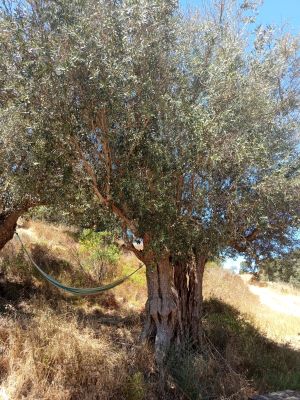
But looking at their enormous, twisted trunks, their shapes, and the way they’ve adapted to the landscape, it’s easy to understand why he believed they were so old.
What amazes our visitors most isn’t simply the size of these trees.
It’s the fact that they are still producing olives.
After hundreds of years of sun, wind, rain, drought, and changing seasons, they continue to give us fruit.
Every single year.
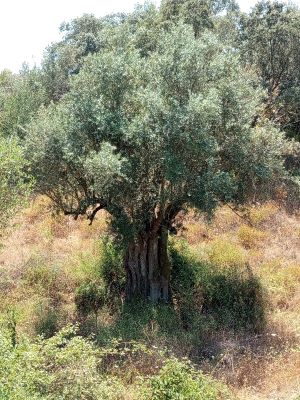
We Don’t Own the Trees. We’re Their Caretakers.
Living among these ancient trees has changed our perspective.
When you move onto a piece of land with trees that may have been growing for centuries, you begin to realise something.
You are only there for a short time.
The trees were here long before you arrived.
And hopefully, they’ll still be here long after you’re gone.
We don’t really see ourselves as owners of these trees.
We see ourselves as caretakers.
Visitors.
Guests.
Our responsibility is to look after them as well as we can, enjoy the time we’re given with them, and leave them healthy for the generations that follow.
It’s a different way of looking at land ownership.
And it’s one of the most valuable things our new life in Portugal has taught us.
How Olive Oil Was Traditionally Harvested
For thousands of years, olive harvesting was primarily done by hand or with simple tools.
Farmers collected the olives, brought them to a mill, and crushed them to extract the oil.
Methods changed over the centuries, but the basic principle remained the same.
Harvest the fruit.
Crush the olives.
Separate the oil.
Today, modern machinery makes it possible to harvest and process enormous quantities of olives.
In many commercial plantations, trees are planted in straight rows, carefully spaced to allow mechanical harvesting.
We see these plantations around us in Alentejo.
Young trees, perfectly aligned, planted for efficient production.
It’s a completely different world from our olive grove.
Why We Still Harvest Our Olives by Hand
Our trees don’t stand in neat rows.
They’re scattered across hills, slopes, and uneven ground.
Some stand close together.
Others grow alone.
Some are easy to reach, while others make harvesting a real challenge.
But we wouldn’t want it any other way.
We harvest our olives by hand because we want to treat our trees as gently as possible.
When we hear about fully grown olive trees being shaken by large harvesting machines, we can’t help feeling uncomfortable.
We understand why commercial producers use machinery. It can make harvesting much faster and more economical, and well-managed mechanical harvesting doesn’t necessarily harm trees.
But for our ancient trees, we prefer a different approach.
We work slowly and carefully.
Sometimes, while harvesting, we discover birds’ nests hidden among the branches.
That’s when we become even more aware that these trees aren’t simply agricultural equipment.
They’re living habitats.
We try to work around the nests and avoid disturbing the wildlife that shares our land.
And then there is one feeling that never gets old.
Holding a handful of freshly harvested olives and letting them slowly run through your fingers.
It’s difficult to describe.
The weight of the fruit.
The different colours.
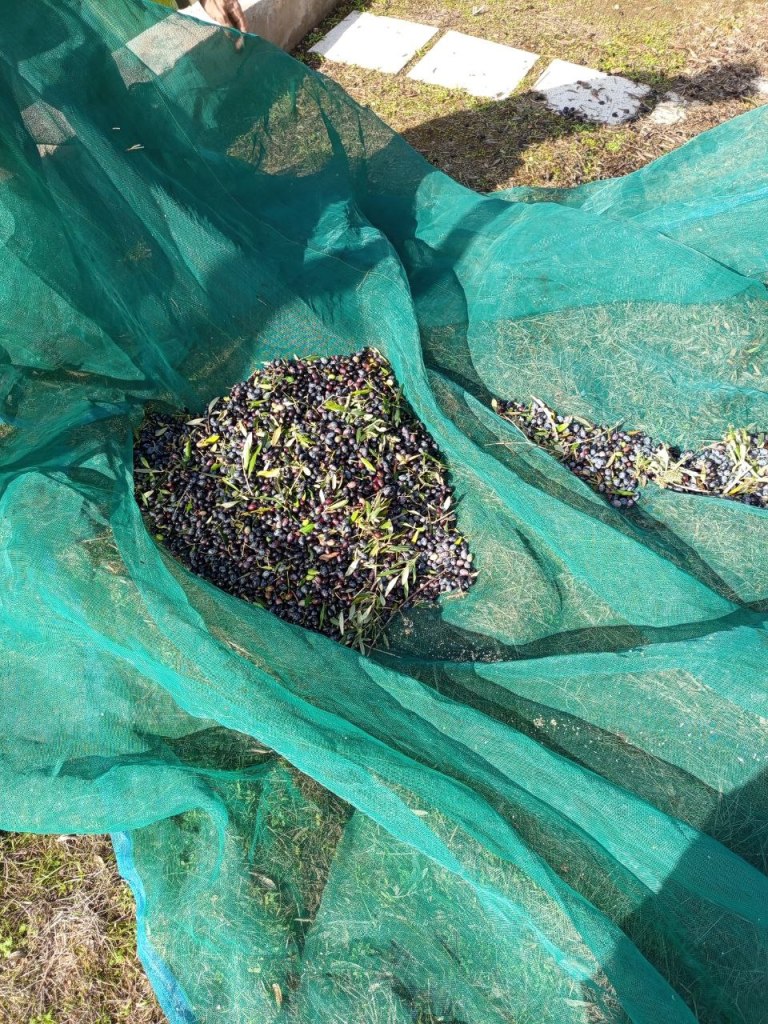
The knowledge that these olives grew on trees that have survived for generations.
And the gratitude that we are allowed to harvest them.
For us, that’s what olive oil production is really about.
From Ancient Olive Presses to Our Family’s Olive Oil
Although we prefer traditional harvesting, we also appreciate the advantages of modern olive oil production.
After collecting our olives, we take them to be pressed on the same day.
This helps preserve freshness and reduces the time the harvested fruit spends waiting before processing.
Our olive trees grow naturally without irrigation or artificial fertilisers.
We don’t try to force them to produce the maximum possible quantity.
Instead, we harvest what nature gives us.
Some years are more productive than others.
That’s simply part of working with nature.
Today, our small family operation produces and sells around 500 litres of virgin olive oil annually.
It might not sound like much compared with industrial producers.
But every litre represents time spent among our trees, careful harvesting, and a connection to the land that we deeply appreciate.
Why Olive Trees Can Live for Hundreds of Years
One of the most fascinating things about olive trees is their extraordinary longevity.
Olive trees are remarkably resilient.
They can survive in dry environments, adapt to difficult growing conditions, and continue producing new growth even as parts of their trunks age.
Their roots and regenerative ability help them survive challenges that would be difficult for many other fruit trees.
Some ancient olive trees around the Mediterranean are believed to be more than a thousand years old, although accurately determining the age of very old trees can be difficult.
Their trunks often become hollow or irregular over time, making conventional age measurements challenging.
That’s why we treat the estimated age of our own oldest trees with respect rather than certainty.
Whether they’re 500, 800, or another age entirely, their presence is extraordinary to us.
Is Olive Oil Still Made the Same Way Today?
The basic idea has remained remarkably similar.
Olives are harvested and mechanically processed to release their oil.
But the methods have changed enormously.
Ancient producers used stone crushing equipment, presses, and settling methods.
Modern mills use specialised crushing, mixing, and separation equipment that allows much more controlled processing.
These improvements can help producers maintain hygiene, process olives quickly, and preserve quality.
But technology doesn’t replace the importance of good fruit.
An excellent olive oil still begins with healthy olives, careful harvesting, and proper handling.
That’s why we believe the relationship between farmer and tree remains so important.
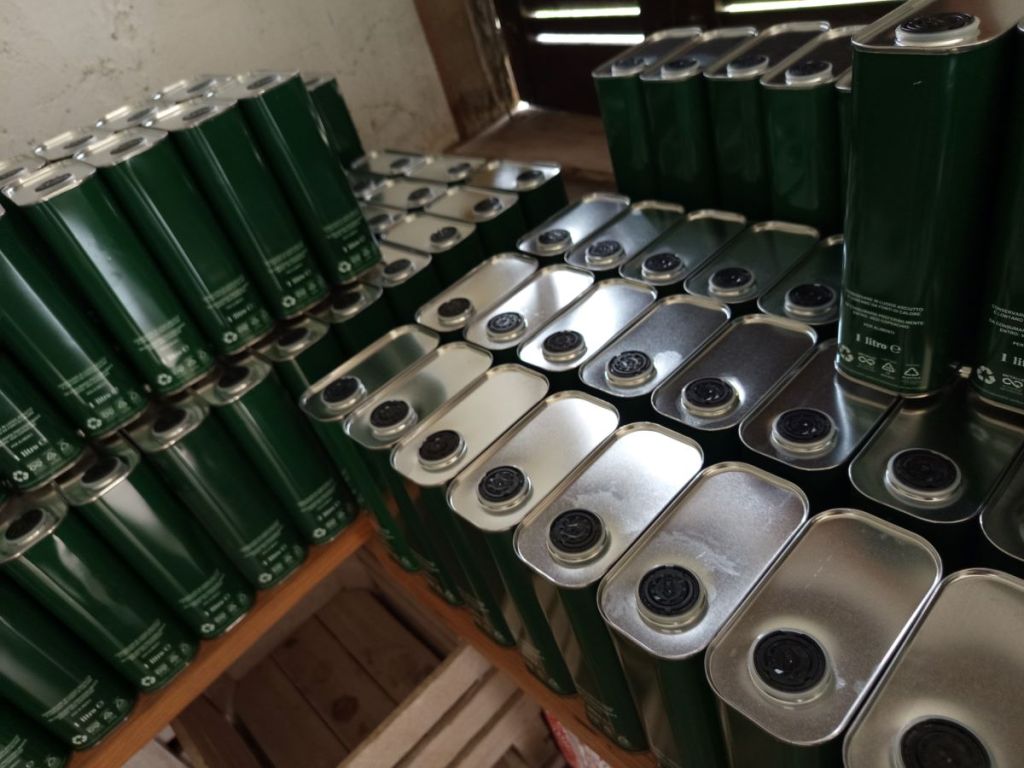
From Our Trees to Your Table
One of the reasons we started sharing our olive oil with customers in Austria and Germany was that we wanted people to experience something different.
Not simply another bottle from a supermarket shelf.
But olive oil with a story.
Olive oil from trees they can actually see.
Trees that grow on a real family farm in Portugal.
Trees that we harvest ourselves.
That’s also how our olive tree sponsorships began.
Sponsor Your Own Ancient Olive Tree in Portugal
Through Equilibrio, you can sponsor one of our olive trees and become part of its story.
Your sponsorship includes:
- A photograph of your sponsored olive tree
- The opportunity to give your tree a personal name
- Six litres of our virgin olive oil from the annual harvest
- Delivery in six separate one-litre metal tins to help preserve freshness
Our olive oil is harvested once a year, and we organise our annual shipments primarily for customers in Austria and Germany but also other countries in Europe.
An olive tree sponsorship also makes a meaningful gift for birthdays, weddings, anniversaries, Christmas, or simply for someone who appreciates nature and good food.
It’s a personal connection to a tradition that began thousands of years ago.
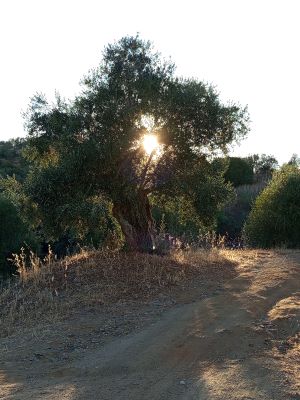
Discover our olive tree sponsorships at www.equilibrio.com.pt.
Frequently Asked Questions About the Origin of Olive Oil
Where was olive oil first invented?
The earliest archaeological evidence of olive oil production comes from the eastern Mediterranean, particularly the Levant. Sites along the Carmel coast of present-day Israel provide evidence of very early olive processing.
How old is olive oil?
Olive oil production is at least 6,500 years old, and some archaeological evidence points to approximately 7,000 years ago. The exact date of its first production remains unknown.
Did olive oil originate in Greece or Italy?
Neither Greece nor Italy is generally considered the original birthplace of olive oil production. Its earliest known roots lie farther east in the Mediterranean. However, both ancient Greek and Roman civilisations played major roles in developing and spreading olive oil culture.
Did the Romans bring olive oil to Portugal?
Olive cultivation reached the Iberian Peninsula before Roman rule, but the Romans helped expand olive farming and oil production across the region, including parts of present-day Portugal.
What is the oldest olive tree in the world?
Several ancient olive trees around the Mediterranean are claimed to be thousands of years old. However, their exact ages are often difficult to verify, and there is no universally agreed oldest living olive tree.
Where does olive oil come from today?
Olive oil is produced in many countries, particularly around the Mediterranean. Spain, Italy, Greece, Portugal, Tunisia, and Türkiye are among the well-known olive-producing countries.
Olive cultivation has also spread to other regions with suitable climates, including California, Australia, Chile, and South Africa.
Is traditional olive oil better than industrially produced olive oil?
Traditional production can offer a strong connection to the land and careful harvesting practices, but the quality of olive oil depends on more than whether harvesting is done by hand or machine.
Olive quality, harvesting conditions, processing, freshness, and storage all play important roles.
For our family, hand harvesting is a choice rooted in how we want to care for our ancient trees.
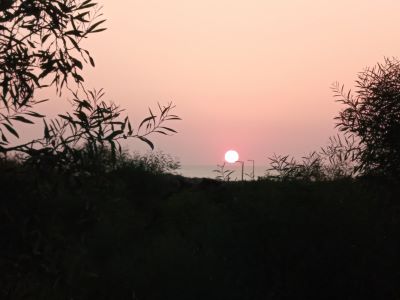
Final Thoughts: Thousands of Years of History in Every Drop
So, where does olive oil come from?
Its story begins thousands of years ago in the eastern Mediterranean, where people first learned to cultivate olive trees and extract oil from their fruit.
From there, olive oil travelled through ancient trading networks, Greek civilisation, the Roman Empire, and eventually became an essential part of Portuguese agricultural life.
Today, that history continues in countless olive groves around the Mediterranean.
Including ours.
Sometimes, when we stand beneath one of our oldest trees, we think about how much the world has changed during its lifetime.
Generations have come and gone.
Borders have changed.
Empires have risen and disappeared.
Yet the olive trees continue growing.
And every autumn, they offer their fruit again.
We are simply fortunate enough to be here for a small part of their story.
If you would like to become part of that story too, we’d love to introduce you to one of our olive trees.
Visit Sponsorship to discover our family farm, our olive oil, and our olive tree sponsorships.
From our family and our ancient olive trees in Alentejo, Portugal.
Health Benefits of Virgin Olive Oil: Why We Believe It’s One of Nature’s Healthiest Foods
For many people, olive oil is simply another cooking ingredient.
For our family, it has become a way of life.
A few years ago, we left our comfortable 9-to-5 lives in Austria and started a completely new adventure in Portugal’s beautiful Alentejo region. Our 5-hectare property came with something truly special: around 350 ancient olive trees, some believed to be up to 800 years old.
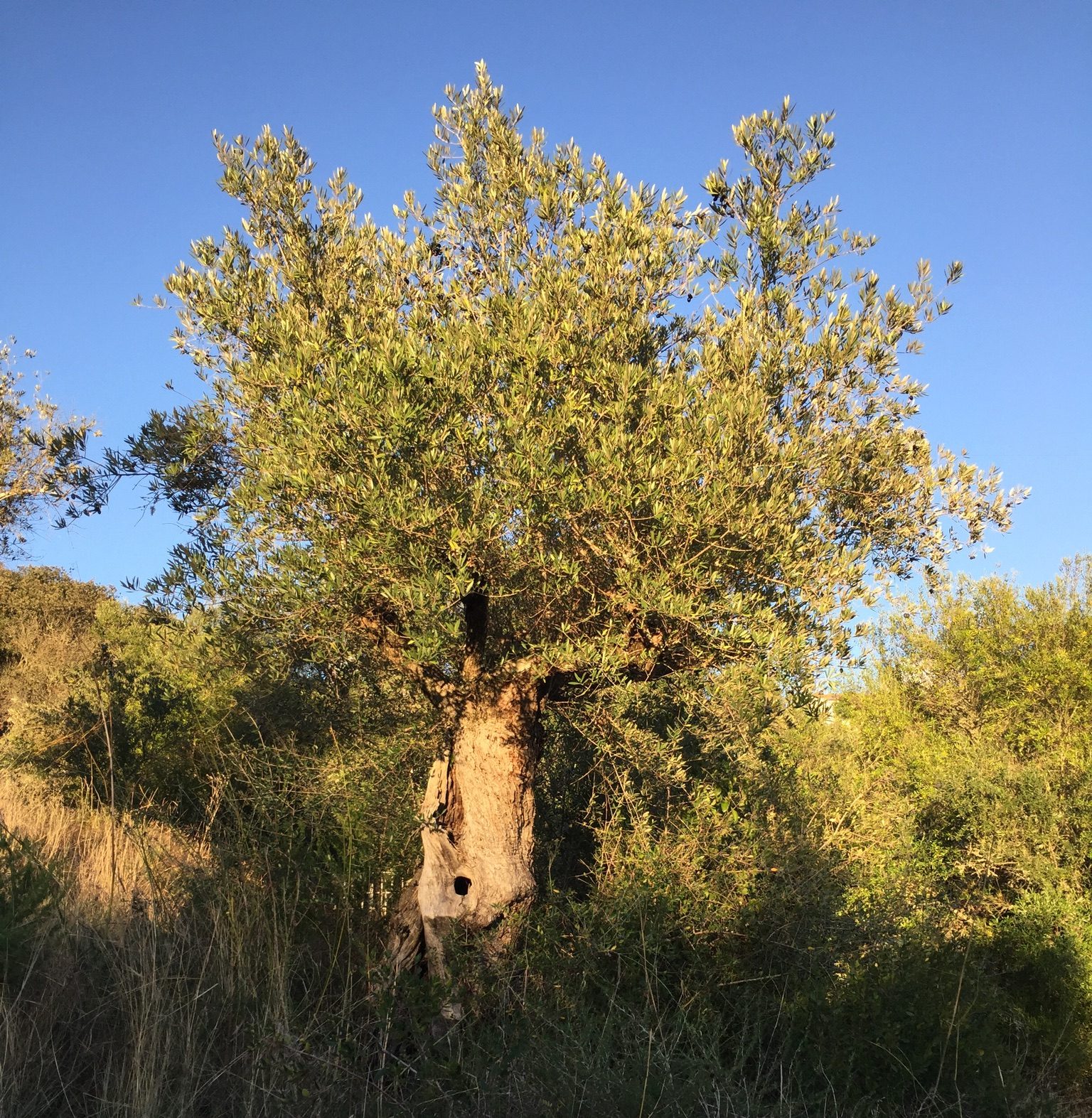
What began as caring for these magnificent trees soon turned into a passion for producing high-quality virgin olive oil. Today, we hand-harvest every olive ourselves, press them on the very same day, and sell over 500 litres of virgin olive oil every year.
Since moving to Portugal, olive oil has become an essential part of our daily lives. We don’t just sell it. We cook with it, enjoy it every day and even occasionally use it for simple home remedies.
People often ask us about the health benefits of virgin olive oil.
While scientists have studied olive oil for decades, we’d like to share both the research and our own experience as a family of olive growers.
What Is Virgin Olive Oil?
Virgin olive oil is made by mechanically pressing fresh olives without chemical refining or artificial additives.
In our case, that’s exactly how we produce it.
Our olives are:
- Hand-picked by our family
- Pressed on the same day they’re harvested
- Produced in limited quantities
- Grown naturally without irrigation or artificial fertilisers
We believe that nature already knows what it’s is doing. Our job is simply to care for the trees and harvest the olives at the right moment.
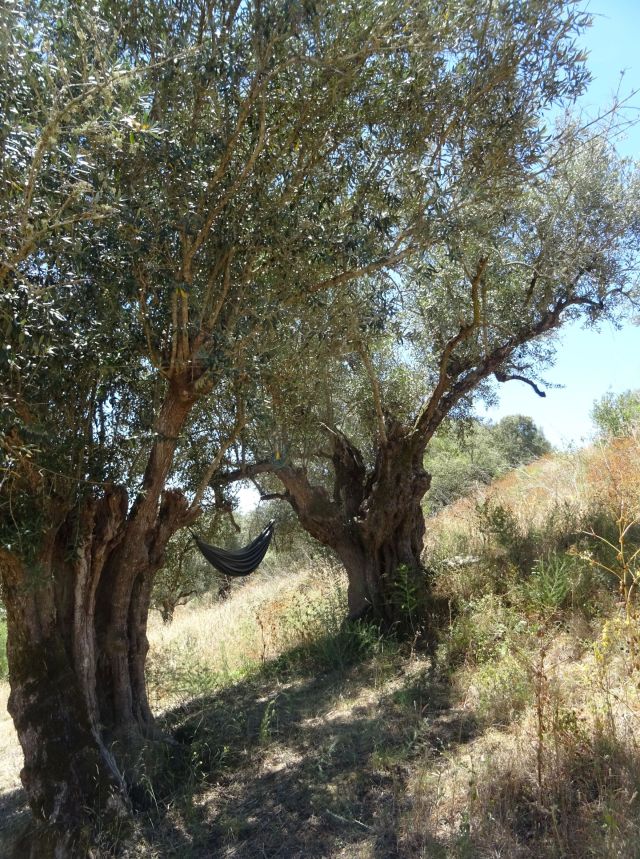
Why Is Virgin Olive Oil So Healthy?
Virgin olive oil contains a remarkable combination of nutrients that make it one of the healthiest fats available.
These include:
- Healthy monounsaturated fats
- Natural antioxidants
- Vitamin E
- Polyphenols
Unlike highly processed vegetable oils, virgin olive oil remains close to its natural state.
The less processing, the more of these naturally occurring compounds remain.
This is one of the reasons why olive oil has been a cornerstone of the Mediterranean diet for thousands of years.
1. Supports Heart Health
Perhaps the best-known benefit of virgin olive oil is its role in supporting heart health.
Research consistently links Mediterranean-style eating patterns rich in olive oil with better cardiovascular health.
One reason is that olive oil is naturally rich in monounsaturated fats, which are considered a healthier alternative to saturated fats from many processed foods.
For us, this benefit started with one simple decision.
Instead of using several different cooking oils, we now mainly use virgin olive oil and butter.
That one change alone simplified our cooking and reduced our reliance on highly processed fats.
2. Helps Replace Less Healthy Fats
Sometimes health isn’t about adding another “superfood.”
It’s about replacing something less beneficial.
This is probably the biggest advantage we’ve experienced since moving to Portugal.
Back in Austria we used olive oil occasionally.
Today it is our everyday oil.
Instead of cooking with highly refined vegetable oils, almost every meal contains virgin olive oil.
Simple changes are often the ones that last.
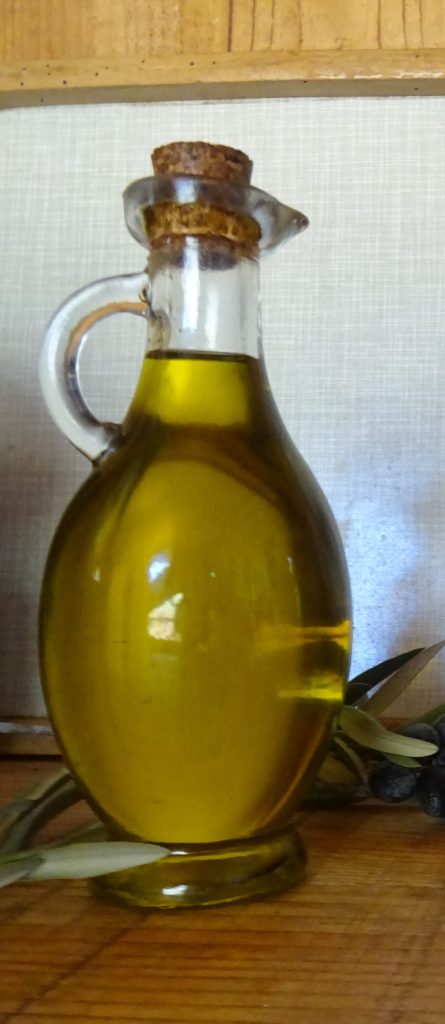
3. Naturally Rich in Antioxidants
Virgin olive oil naturally contains antioxidants, including vitamin E and polyphenols.
These compounds help protect the oil itself from oxidation and are one reason fresh, high-quality olive oil is so highly valued.
The amount of these beneficial compounds depends on many factors, including:
- Olive variety
- Climate
- Harvest timing
- Processing
- Storage
This is one reason freshness matters.
4. Part of the Mediterranean Lifestyle
Olive oil is famous because it forms the foundation of the Mediterranean diet.
But here’s something we’ve learned after living in Portugal.
The Mediterranean lifestyle isn’t just about olive oil.
It’s about:
- Fresh vegetables
- Home-cooked meals
- Eating together
- Spending time outdoors
- Daily movement
- Simplicity
Olive oil ties all these things together.
It’s difficult to prepare Mediterranean food without it.
5. A Healthy Habit the Whole Family Enjoys
One of our favourite moments at the dinner table involves our son.
Before he even starts eating, he reaches for the olive oil.
Almost every meal gets a generous drizzle of cold, raw virgin olive oil.
Not because we ask him to.
Simply because he loves the taste.
Whether it’s potatoes, vegetables, pasta, rice or fresh bread, he enjoys adding olive oil just before eating.
For us, that’s one of the nicest compliments our olive oil can receive.
When your own children genuinely enjoy it every day, you know you’re producing something special.
6. More Than Just Cooking
Although olive oil is primarily a food, we occasionally use it outside the kitchen as well.
After spending long days working under the Portuguese sun, we sometimes apply a small amount directly to dry skin.
We’ve found that it leaves our skin feeling softer and more moisturised after high sun exposure.
We also occasionally use olive oil as part of our gum hygiene routine by gently swishing a small amount before brushing our teeth.
These aren’t the main reasons we produce olive oil.
But they show just how versatile this natural product can be.
Does Heating Destroy the Health Benefits?
This is probably the biggest myth we hear.
Many people believe olive oil should only be eaten cold.
In our experience, that’s simply not true.
We cook with virgin olive oil almost every day.
Soups.
Vegetables.
Sauces.
Roasted dishes.
Salad dressings.
For everyday cooking, virgin olive oil works wonderfully.
For very high-temperature frying, we often choose butter instead.
Why We Believe Hand Harvesting Matters
If there is one thing we wish more people understood about olive oil, it is this:
Great olive oil begins in the grove.
Not in the factory.
Our trees aren’t harvested by large machines.
Every olive is picked by hand.
It’s slower.
It’s harder work.
But we believe it’s gentler on our ancient trees and allows us to harvest with greater care.
Many of our trees have stood here for centuries.
Some are believed to be around 800 years old.
We see ourselves less as owners and more as caretakers for the next generation.
Freshness Makes a Difference
Immediately after harvesting, our olives are pressed on the very same day.
This helps preserve freshness before the oil is packaged.
We also bottle directly into metal tins instead of storing the oil for long periods.
Why?
Because light is one of olive oil’s biggest enemies.
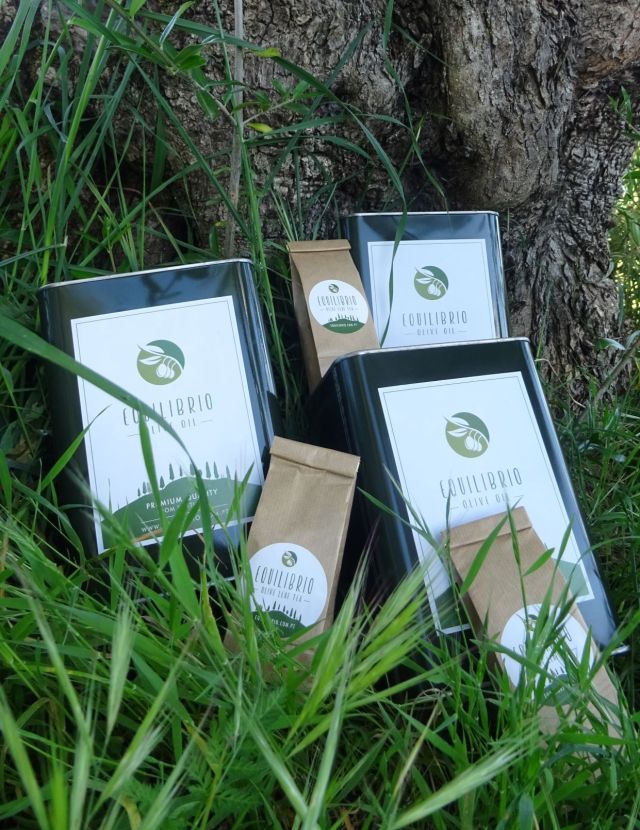
Our customers receive six separate 1-litre tins rather than one large container.
That means only one litre is exposed to air at a time while the remaining five stay sealed and protected.
It’s a simple decision that helps preserve quality for much longer.
“It’s the Best Olive Oil We’ve Ever Tasted”
One sentence makes all the hard work worthwhile.
Visitors often tell us:
“This is the best olive oil we’ve ever tasted.”
Those words mean everything to us.
After all, every olive has been harvested by our own hands.
Sponsor Your Own Olive Tree
If you’ve ever wanted to know exactly where your olive oil comes from, we’d love to welcome you to our farm.
Instead of simply buying olive oil, many of our customers sponsor one of our ancient olive trees.
Each sponsorship includes:
- Your own olive tree in Portugal
- A photograph of your tree
- The opportunity to give it a personal name
- Six litres of virgin olive oil from the annual harvest
- Delivery in six separate 1-litre tins to preserve freshness
Many families tell us it’s one of the most meaningful gifts they’ve ever given.
You’re not just receiving olive oil.
You’re becoming part of the story behind it.
Learn more at www.equilibrio.com.pt.
Frequently Asked Questions
Is virgin olive oil healthier than refined olive oil?
Virgin olive oil undergoes minimal processing, allowing it to retain more of its naturally occurring compounds than refined olive oil.
Can I cook with virgin olive oil?
Yes. We cook with it every day on our farm and use it for most everyday dishes.
How much olive oil should I eat?
There is no single amount that’s right for everyone, but using virgin olive oil regularly as part of a balanced Mediterranean-style diet is a simple way to replace less healthy fats.
Is olive oil better than vegetable oil?
It depends on the type of vegetable oil, but many people choose virgin olive oil because it is minimally processed and naturally rich in monounsaturated fats.
Does good olive oil taste peppery?
Yes. Fresh, high-quality virgin olive oil often has a pleasant peppery sensation in the throat. This is a natural characteristic and one many olive oil lovers appreciate.
Final Thoughts
For us, the greatest health benefit of virgin olive oil isn’t found in one specific nutrient or one scientific study.
It’s the way it encourages a simpler, more natural way of eating.
Today, almost every meal in our home includes olive oil.
Our son happily pours it over his food because he genuinely loves the flavour.
We cook with it.
We share it with friends.
We harvest it together as a family.
After leaving our old lives in Austria, caring for ancient olive trees in Portugal has taught us that some of the healthiest foods are also the simplest.
Good soil.
Healthy trees.
Careful harvesting.
Fresh olives.
And a little patience.
Sometimes, that’s all nature needs.
Does Olive Oil Expire? A Producer Explains How Long Olive Oil Really Lasts
If you’ve ever found an old bottle or tin of olive oil in your pantry, you’ve probably wondered:
Does olive oil expire?
The short answer is yes.
However, unlike milk or fresh meat, olive oil doesn’t suddenly become unsafe the day after its best-before date. Instead, it gradually loses the qualities that make fresh olive oil so enjoyable: its aroma, fruity flavor, and vibrant character.
As an Austrian family who left our 9-to-5 lives to start an olive farm in Portugal, we’ve learned a lot about storing olive oil properly. Today, we care for around 350 olive trees in the Alentejo region, some of which are believed to be up to 800 years old.
From harvesting and bottling to storing and shipping, preserving the quality of our olive oil is something we think about every day.
Does Olive Oil Have an Expiration Date?
Every bottle or tin of olive oil has a best-before date.
It’s important to understand that a best-before date is not the same as an expiration date.
The best-before date tells you how long the producer expects the olive oil to maintain its best flavor, aroma, and overall quality when stored correctly.
After that date, the oil doesn’t suddenly become bad. Instead, it slowly changes over time.
Why We Print a One-Year Best-Before Date
Our olive oil carries a best-before date of one year.
Some producers choose longer periods, but we prefer to be conservative.
Our goal is simple: we want every customer to enjoy our olive oil at its absolute best.
Since we harvest and sell fresh olive oil every year, we’d rather encourage people to enjoy each harvest while its flavor is at its peak.
For us, quality always comes before extending a date on the label.
Can Olive Oil Still Be Good After One Year?
In our experience, yes.
We’ve tasted olive oil that was two years old and had been stored correctly, and it still tasted good.
Even more surprisingly, one of our customers recently told us they opened one of our tins from a harvest that was three years old. Because it had remained unopened and stored in good conditions, they were pleasantly surprised by how well it had held up.
That doesn’t mean every olive oil will last that long.
Storage makes all the difference.
What Happens as Olive Oil Gets Older?
Fresh olive oil is full of character.
Depending on the harvest, you may notice fruity notes, a pleasant bitterness, or a peppery finish.
As olive oil ages, these characteristics slowly become less pronounced.
The first thing we usually notice is a loss of aroma.
Over time, the flavor also becomes flatter.
Eventually, if stored poorly or kept for too long, the oil can develop off-flavors and no longer provide the enjoyable experience you expect from a fresh harvest.
The Biggest Factors That Affect Shelf Life
After working with olive oil for several years, we’ve found that two factors matter more than anything else:
1. Keep It Cool
Heat is one of olive oil’s biggest enemies.
Even though summer temperatures in Portugal can reach 40°C (104°F), we always store our olive oil in a cool environment whenever possible.
A pantry, cellar, or cupboard away from heat sources is ideal.
2. Keep It Dark
Light slowly affects the quality of olive oil.
That’s one of the reasons we package our olive oil in metal tins.
Unlike clear bottles, tins protect the oil from light throughout storage.
Why We Package Our Olive Oil in 1-Liter Tins
Many of our customers sponsor one of our olive trees and receive 6 liters of olive oil each year.
People sometimes ask why we send six separate 1-liter tins instead of one large container.
The answer is freshness.
Only one tin is opened at a time.
The remaining tins stay sealed, protected from oxygen, light, and unnecessary handling.
This means your final liter can be almost as fresh as the first one you opened months earlier.
It’s a simple decision, but one that helps preserve quality for much longer.

Should You Refrigerate Olive Oil?
This is one of the most common myths we hear.
In our opinion, no.
A refrigerator is usually too cold for olive oil.
Cold temperatures cause the oil to become cloudy and thicken. Once it warms up again, it usually returns to normal, but refrigeration isn’t necessary for most homes.
Instead, we recommend storing olive oil in:
- A cool place
- A dark place
- A location with a stable temperature
That’s exactly how we store our own olive oil on the farm.
How Long Does Olive Oil Last After Opening?
Once a container has been opened, oxygen slowly begins affecting the oil.
We recommend enjoying an opened tin within about six months for the best flavor, although it may remain enjoyable beyond that if stored well.
Always close the container immediately after use and return it to a cool, dark place.
Think of olive oil as something precious.
Treat it with care, and it will reward you with better flavor for longer.
How Can You Tell If Olive Oil Has Gone Bad?
Fresh olive oil has a pleasant aroma and lively flavor.
As it ages, you may notice:
- A weaker aroma
- A flatter taste
- A less vibrant appearance
If the oil no longer smells fresh or tastes dull, it has likely passed its best.
Proper storage greatly slows this process.
Final Thoughts
So, does olive oil expire?
Yes, but not in the way many people think.
A best-before date is a guide to quality, not a countdown to when the oil suddenly becomes unusable.
With proper storage in a cool, dark place, olive oil can often remain enjoyable well beyond its best-before date, although its aroma and flavor will gradually decline over time.
As olive growers in Portugal, preserving quality is at the heart of everything we do. That’s why we bottle our oil directly into light-blocking metal tins, package it in convenient 1-liter containers, and encourage our customers to open only one tin at a time.
If you’d like to experience olive oil directly from the source, consider sponsoring one of our ancient olive trees in Portugal. Each sponsorship includes six 1-liter tins of olive oil from the annual harvest, a photo of your tree, and the opportunity to give it a name. It’s a unique way to enjoy fresh olive oil while becoming part of our family’s journey from Austria to the olive groves of Alentejo.

How to Use Olive Oil on Skin: Benefits, Tips, and Our Experience from Portugal
Most people think of olive oil as something for cooking. But did you know it has also been used for centuries as a simple, natural skincare product?
As an Austrian family who left our 9-to-5 lives and moved to Portugal to care for 350 ancient olive trees, we spend a lot of time outdoors in the Alentejo sun. While olive oil is primarily a food product in our household, we occasionally use it on our skin as well—especially after long days working outside.
So, can olive oil be used on skin? And what’s the best way to use it?
Here’s what we’ve learned from both experience and research.
Can You Put Olive Oil on Your Skin?
Yes, olive oil can be applied directly to the skin.
Olive oil contains natural fats, vitamin E, and antioxidant compounds that can help moisturize and soften dry skin.
For generations, people throughout the Mediterranean region have used olive oil not only in the kitchen but also as part of simple beauty and skincare routines.
Today, many people still use olive oil for:
- Dry hands
- Dry elbows
- Rough skin
- After-sun care
- Massage
- Moisturizing dry patches
Our Personal Experience Using Olive Oil on Skin
We are not dermatologists or skincare experts.
We are olive growers.
A few years ago, we moved from Austria to Portugal and now care for approximately 350 olive trees on our 5-hectare farm in the Alentejo region.
Living in southern Portugal means spending plenty of time under strong sunshine, especially during harvest and maintenance work around the farm.
After days with high sun exposure, we sometimes apply a small amount of our own olive oil directly to the skin.
What we notice most is that our skin feels:
- Softer
- Less dry
- More moisturized
We only use a small amount because a little goes a long way.
For us, olive oil is first and foremost a food. But it’s nice to know that the same natural product can also be useful as a simple moisturizer when needed.

Is Olive Oil Good for Dry Skin?
Many people find olive oil helpful for dry skin because it creates a protective layer that helps reduce moisture loss.
This is one reason olive oil has been used traditionally for skin care for hundreds of years.
We especially like it for:
- Dry hands after gardening
- Skin that feels tight after sun exposure
- Dry areas during colder months
When applied in small amounts, olive oil can leave the skin feeling smoother and more comfortable.
How to Apply Olive Oil to Your Skin
If you’d like to try olive oil on your skin, keep it simple.
Step 1
Start with clean skin.
Step 2
Place a few drops of olive oil in your hands.
Step 3
Gently massage it into the desired area.
Step 4
Allow it to absorb naturally.
Remember that more is not always better. Using a small amount usually provides the best result.
Can You Use Olive Oil on Your Face?
This depends on your skin type.
In our experience, olive oil can sometimes feel too heavy for facial use.
People with very dry skin may enjoy it, while others may prefer lighter moisturizers specifically designed for the face.
For hands, arms, legs, and dry patches of skin, olive oil often feels more comfortable and practical.
If you want to try olive oil on your face, it’s generally best to start with a very small amount and see how your skin responds.
Is Olive Oil Good After Sun Exposure?
This is one of the main ways we personally use it.
After spending long hours outdoors in Portugal, our skin can sometimes feel dry from sun and wind exposure.
Applying a small amount of olive oil helps restore moisture and leaves the skin feeling softer.
It’s important to note that olive oil is not a substitute for sunscreen and should not be used as sun protection.
However, after sun exposure, it can be a simple way to help moisturize dry skin.
Does the Quality of Olive Oil Matter?
We believe it does.
Just as quality matters when cooking, it also matters when applying olive oil to your skin.
The quality of olive oil depends on factors such as:
- Olive variety
- Growing conditions
- Harvest methods
- Processing
- Freshness
On our farm, we harvest olives naturally and bottle our oil carefully to preserve its quality.
Whether you’re using olive oil in the kitchen or occasionally on your skin, choosing a high-quality product is always a good idea.
Olive Oil: More Than Just Food
One of the things we love most about olive oil is its versatility.
For thousands of years, people have valued olive oil not only as a food but also as part of everyday life.
While we primarily enjoy olive oil as part of a healthy diet, we appreciate knowing that it can also serve as a simple and natural skincare option when needed.
Sometimes the oldest traditions are still useful today.
Final Thoughts
Olive oil can be a simple and effective way to moisturize dry skin.
In our experience, applying a small amount after significant sun exposure can leave the skin feeling softer and more hydrated.
While it may be too rich for some facial skin types, many people enjoy using it on hands, arms, legs, and other dry areas.
As olive growers in Portugal, we see olive oil first as a wonderful food. But it’s also nice to know that the same natural product can occasionally help care for your skin as well.
And if you’d like to experience olive oil directly from the source, consider sponsoring one of our ancient olive trees in Portugal. You’ll receive a photo of your tree, the opportunity to give it a name, and 6 liters of olive oil from the annual harvest—a unique connection to the land, the trees, and the tradition of olive growing.
Sponsorship
How to Store Olive Oil Properly After Opening: Advice from Olive Growers in Portugal
Many people spend a lot of time choosing a high-quality olive oil, only to unknowingly store it in a way that reduces its quality.
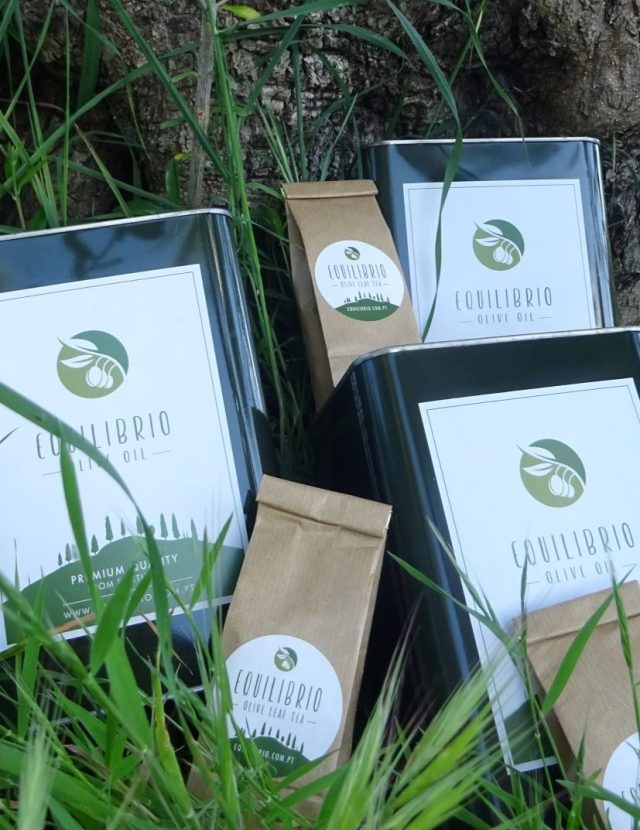
As olive growers in Portugal, we often get questions from customers in Austria and Germany about the best way to store olive oil after opening. Since our customers receive up to 6 liters of olive oil through our olive tree sponsorships, proper storage is especially important.
The good news is that storing olive oil correctly is simple. A few small habits can help preserve its flavor, aroma, and quality for much longer.
The Three Biggest Enemies of Olive Oil
If there is one thing we’ve learned from producing olive oil, it is that olive oil dislikes three things:
- Heat
- Light
- Oxygen
When olive oil is exposed to these elements for extended periods, it gradually loses the characteristics that make it special.
The fresh aroma becomes weaker, the flavor becomes flatter, and the oil slowly loses some of its natural qualities.
That’s why proper storage matters.
Store Olive Oil in a Cool, Dark Place
The best place to store olive oil is a cool, dark room with a relatively stable temperature throughout the day.
A pantry, cellar, storage room, or kitchen cupboard away from appliances is usually ideal.
What we do not recommend is storing olive oil:
- On a sunny windowsill
- Next to the stove
- Near an oven
- Above a dishwasher
- Anywhere with large temperature fluctuations
Heat is one of the biggest reasons olive oil deteriorates faster than it should.
Many people don’t realize that a bottle sitting next to a warm stove every day ages much faster than one stored in a cool cupboard.
Always Keep Olive Oil Properly Closed
After opening, oxygen becomes the next challenge.
Every time air enters the container, the oil begins a slow oxidation process.
This is completely normal, but it can be accelerated if the container is left open unnecessarily.
One of the most common mistakes we see is people forgetting to close the cap properly after use.
Over time, this can noticeably reduce the oil’s aroma and freshness.
Our advice is simple:
Use the oil, close the container immediately, and return it to its storage place.
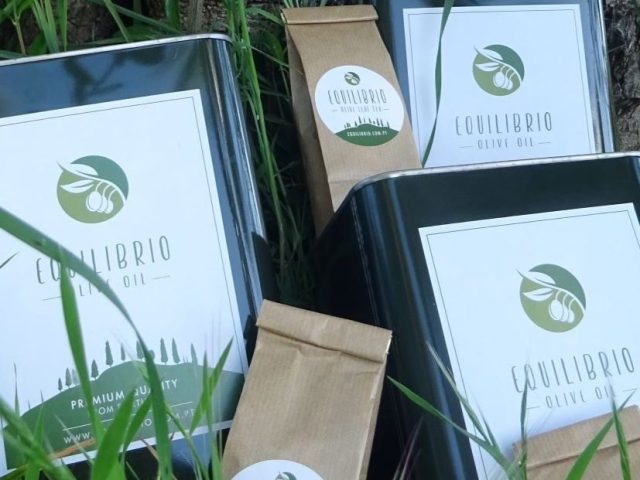
Why We Use Metal Tins Instead of Bottles
On our farm in Portugal, we package our olive oil directly into metal tins shortly after production.
We do this intentionally.
Although we have stainless steel storage tanks, we prefer to fill the oil into tins as quickly as possible rather than keeping it in long-term storage.
Metal tins offer several advantages:
- They block light completely.
- They protect the oil during transport.
- They help preserve freshness.
- They reduce exposure to temperature changes.
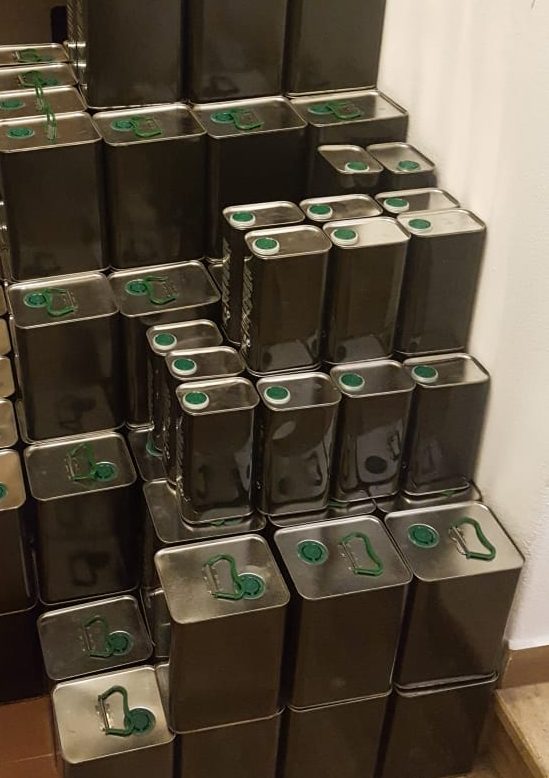
This is also why our olive tree sponsors receive their annual olive oil in 1-liter tins rather than larger containers.
Why We Prefer Several Small Tins
When customers receive 6 liters of olive oil, they often ask why we don’t send one large container.
The answer is freshness.
By dividing the oil into six separate 1-liter tins, only one container is exposed to air at a time.
The remaining tins stay sealed and protected until needed.
This means the last liter can remain significantly fresher than if all six liters were opened from the beginning.
If you buy olive oil in larger quantities, our recommendation is simple:
Open one container at a time and keep the others sealed.
Should You Store Olive Oil in the Refrigerator?
In our opinion, no.
Many people believe refrigeration automatically preserves olive oil better.
However, we do not recommend it.
When olive oil becomes too cold, it starts to thicken and change consistency. It can also lose some of the pleasant aromas that make fresh olive oil enjoyable.
A cool, dark storage place is usually all you need.
Unless you live in an extremely hot climate, a refrigerator is generally unnecessary.
How Long Does Olive Oil Stay Good After Opening?
This depends on several factors:
- Storage conditions
- Container type
- Exposure to air
- Temperature
- Product quality
Official best-before dates are designed to guarantee quality, but olive oil often remains enjoyable beyond that date when stored correctly.
In fact, one of our customers recently compared olive oils from three different harvest years and was surprised by how well they had held up over time.
While we recommend consuming olive oil within the suggested best-before period for the best experience, proper storage can make a significant difference.
How We Store Olive Oil on Our Farm
Our approach is simple.
We keep olive oil:
- Away from direct sunlight
- In a dark environment
- At stable temperatures
- Protected from unnecessary exposure to air
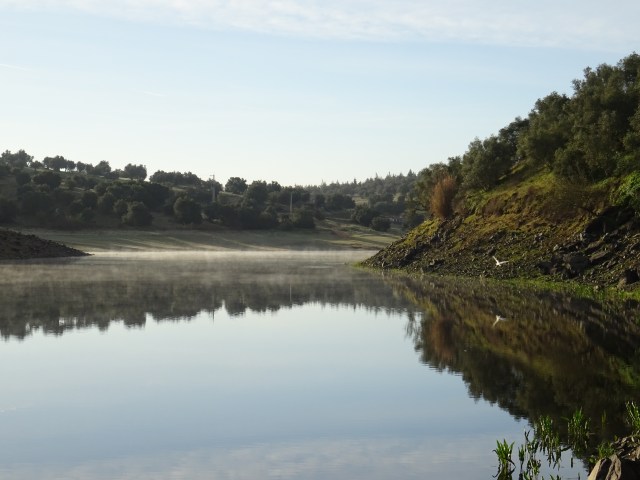
Everything we do is designed to preserve the natural character of the oil from harvest to delivery.
Because we work with naturally grown olive trees in Portugal’s Alentejo region, we want every customer to experience the oil as close as possible to the way it tasted when it left our farm.
Final Thoughts
If you want to keep your olive oil fresh after opening, remember these simple rules:
- Store it in a cool, dark place.
- Keep it away from heat sources.
- Always close the container tightly.
- Avoid unnecessary exposure to air.
- Open one container at a time if you buy larger quantities.
- Skip the refrigerator.
These small habits can help preserve the aroma, flavor, and quality of your olive oil for much longer.
And if you’re looking for a more personal connection to the olive oil you enjoy, consider sponsoring one of our ancient olive trees in Portugal. You’ll receive 6 liters of olive oil from the annual harvest, a photo of your tree, and the opportunity to give it a name—a unique gift that connects you directly to the source of your olive oil.
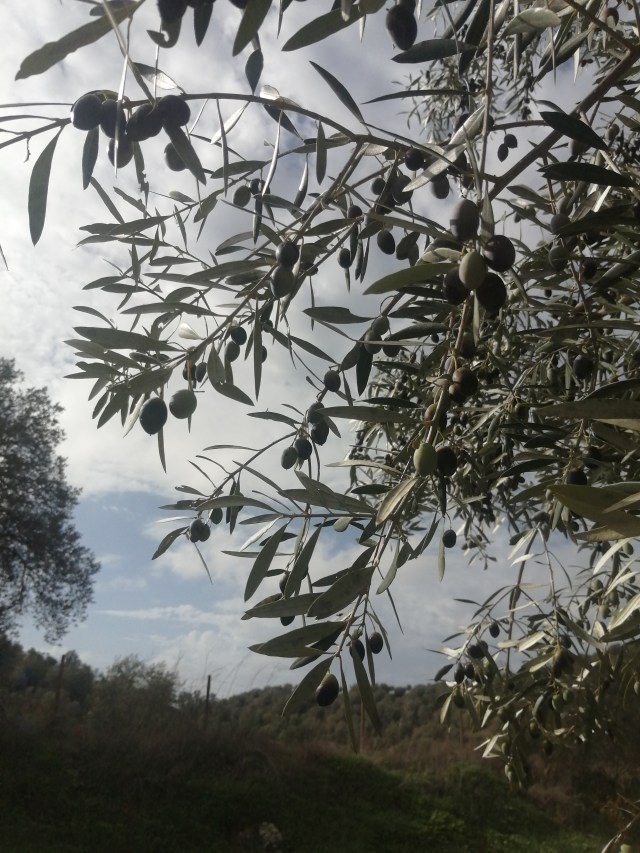
Are Olive Oil Shots Good for You? Benefits, Risks & Why Quality Matters Most
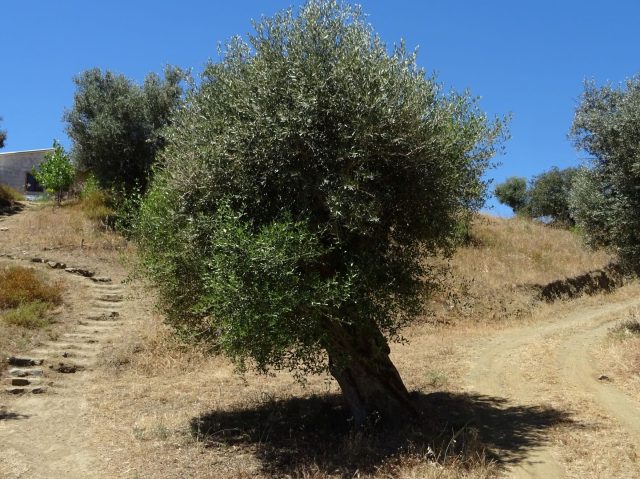
If you’ve spent any time on social media lately, you’ve probably seen people taking olive oil shots first thing in the morning and claiming all kinds of health benefits.
But are olive oil shots actually good for you?
The short answer is yes. Olive oil is one of the healthiest fats you can include in your diet. It contains heart-friendly monounsaturated fats, vitamin E, and natural plant compounds that have been associated with numerous health benefits. However, the real secret isn’t the shot itself—it’s the quality of the olive oil you’re consuming.
As a family who left our 9-to-5 lives in Austria and moved to the Alentejo region of Portugal to care for 350 olive trees, we’ve learned that great olive oil starts long before it reaches your kitchen.
What Is an Olive Oil Shot?
An olive oil shot is simply a small amount of olive oil—usually about one tablespoon (15 ml)—consumed on its own, often in the morning.
Some people take it on an empty stomach, while others prefer it before meals. The idea is that by consuming olive oil regularly, you can enjoy the health benefits associated with this traditional Mediterranean staple.
While the practice has become popular online, olive oil itself has been a cornerstone of Mediterranean diets for thousands of years.
Are Olive Oil Shots Good for You?
Yes, olive oil shots can be good for you when consumed as part of a balanced diet.
Olive oil contains:
- Monounsaturated fats
- Vitamin E
- Natural antioxidants
- Beneficial plant compounds
Research has consistently linked olive oil consumption to heart health and overall well-being. Many experts consider olive oil one of the healthiest dietary fats available.
That said, there is no evidence that drinking olive oil as a shot is significantly better than using it on salads, vegetables, bread, or other foods.
The benefits come from consuming quality olive oil regularly—not necessarily from taking it as a shot.
The Most Important Question: What Olive Oil Are You Drinking?
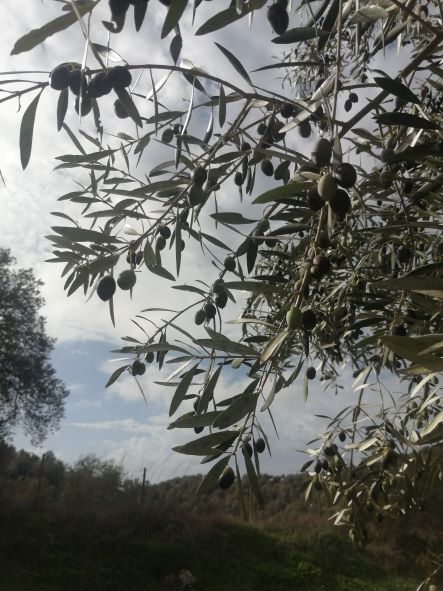
In our opinion, this is the question that matters most. Go to our olive oil.
People often focus on when to take olive oil, how much to take, or whether it should be consumed on an empty stomach.
But after several years of caring for olive trees in Portugal, we’ve come to believe that the quality of the olive oil itself is far more important.
Not all olive oils are created equal.
Factors such as:
- The variety of olives
- How the trees are cared for
- Harvest timing
- Processing methods
- Freshness
all influence the final product.
A high-quality virgin olive oil retains more of the natural characteristics that make olive oil so valued around the world.
Our Journey from Austria to Portugal
A few years ago, we decided to leave our comfortable 9-to-5 lives in Austria and start a completely different chapter.
We moved to the beautiful Alentejo region of Portugal and purchased a 5-hectare property with approximately 350 olive trees.
Some of these trees are believed to be several hundred years old, with a few estimated to be up to 800 years old.
Every season, we work with nature rather than against it. We don’t use intensive farming methods, and our trees grow naturally in the Portuguese landscape.
Living among these ancient trees has given us a deep appreciation for the connection between healthy soil, healthy trees, and quality olive oil.
It’s a slower way of life, but one that reminds us every day that good things take time.
Is It Better to Take Olive Oil in the Morning?
Many people prefer taking olive oil shots first thing in the morning.
Others enjoy olive oil with meals throughout the day.
The truth is that there is no magic time to consume olive oil.
If taking a spoonful every morning helps you build a healthy habit, that’s perfectly fine.
If you’d rather drizzle it over roasted vegetables, dip fresh bread into it, or use it in a salad dressing, that’s equally valuable.
Consistency matters more than timing.
Can Olive Oil Help Support a Healthy Lifestyle?
Olive oil can certainly be part of a healthy lifestyle.
It is a central component of the Mediterranean diet, which is often associated with heart health and longevity.
However, it’s important to remember that no single food is a miracle cure.
Good health comes from a combination of factors, including:
- A balanced diet
- Regular movement
- Quality sleep
- Stress management
- Long-term healthy habits
Olive oil can play a valuable role within that bigger picture.
Why We Believe Knowing Your Olive Oil Producer Matters
Today, most people buy olive oil from a supermarket shelf without knowing where it came from.
We think there’s something special about having a direct connection to the source of your food.
When you know who grows the olives, how the trees are cared for, and where the oil comes from, you gain confidence in what you’re consuming.
That’s one reason we love sharing our story and our farm with customers.
For us, olive oil is not just a product. It’s the result of a year’s worth of care, patience, and respect for nature.
Sponsor Your Own Olive Tree in Portugal
One of the most unique things we offer is the opportunity to sponsor one of our olive trees.
Many of our customers choose this as a thoughtful gift for birthdays, weddings, anniversaries, retirements, or Christmas.
When you sponsor a tree, you receive:
- A photo of your olive tree
- The opportunity to give your tree a name
- 6 liters of olive oil from the annual harvest
- A personal connection to our farm in Portugal
It’s a meaningful way to enjoy authentic olive oil while becoming part of our story.
Final Thoughts
So, are olive oil shots good for you?
Yes. Olive oil is one of the healthiest fats you can include in your diet, and enjoying a daily olive oil shot can be a simple way to incorporate it into your routine.
However, the real value lies not in the ritual itself but in the quality of the olive oil you choose.
Whether you take a spoonful every morning or use it in your favorite recipes, choosing olive oil from producers you trust can make all the difference.
After all, every bottle tells a story.
Ours begins with an Austrian family, 350 ancient olive trees, and a small farm in the Portuguese countryside.
If you’d like to learn more about our olive oil or sponsor one of our trees, we’d be delighted to welcome you to the Equilibrio family. To our oil.
Limitierte handgefertigte Oliventrays
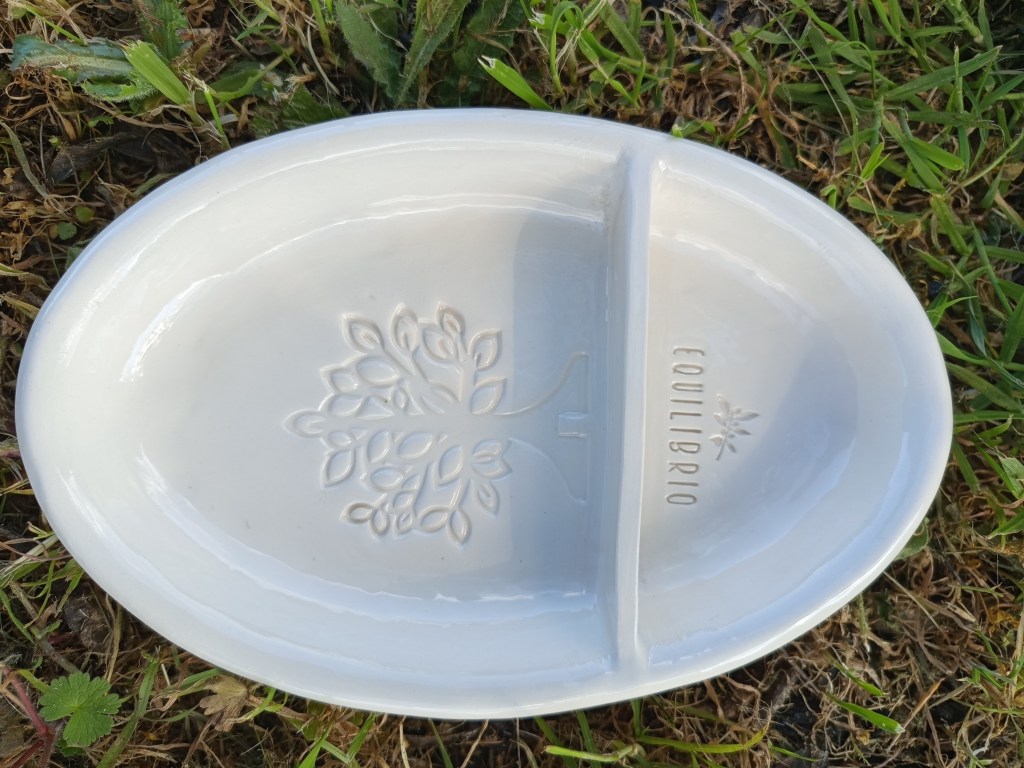
Eine befreundete Künstlerin aus Portugal (Aude Mouton) hat für uns diese wunderschönen Oliventrays aus Keramik gefertigt. Die Schalen sind traditionell dafür gedacht, Oliven zu servieren und die Kerne getrennt abzulegen – eine in Portugal sehr beliebte Art, Oliven am Tisch anzubieten.
Jedes Stück ist komplett handgemacht, mit feinem Olivenblattmuster und unserem Equilibrio-Logo geprägt. Dadurch ist jede Schale ein Unikat.
Wir haben nur 10 Stück dieser besonderen Edition verfügbar. Hier alle ansehen.
Between Storm and Hope
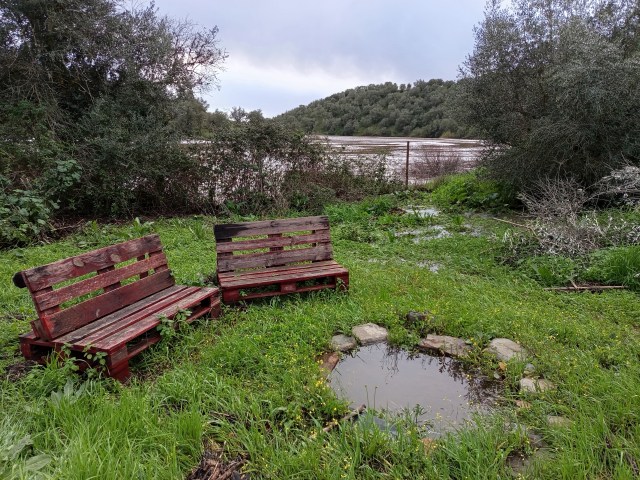
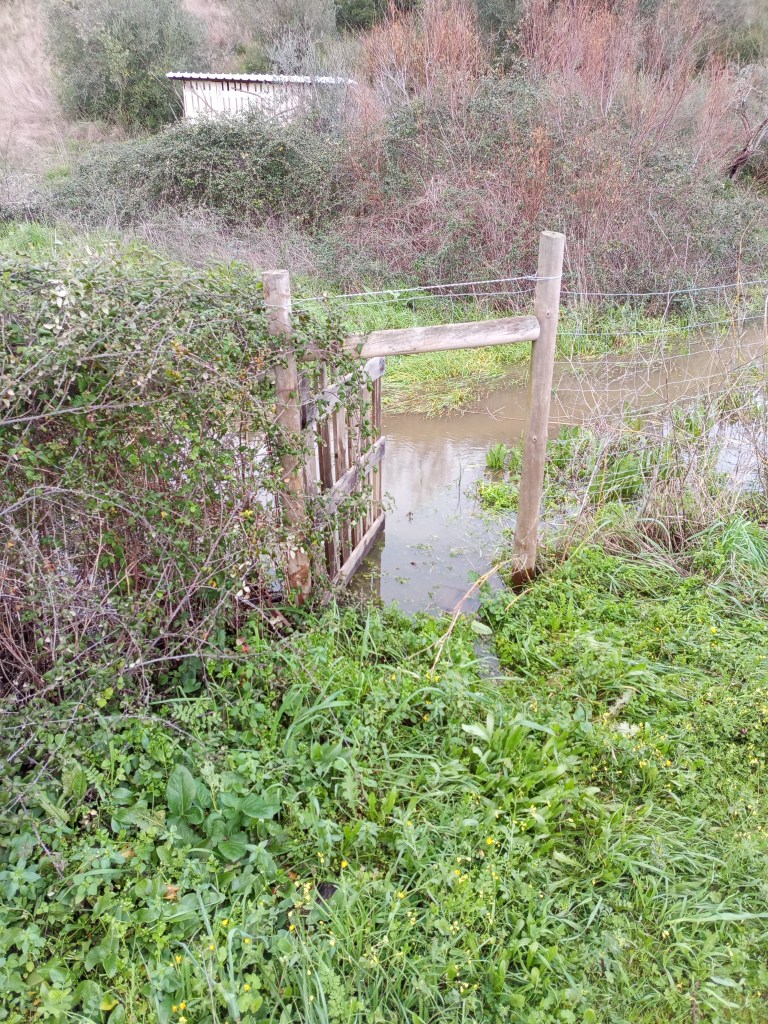
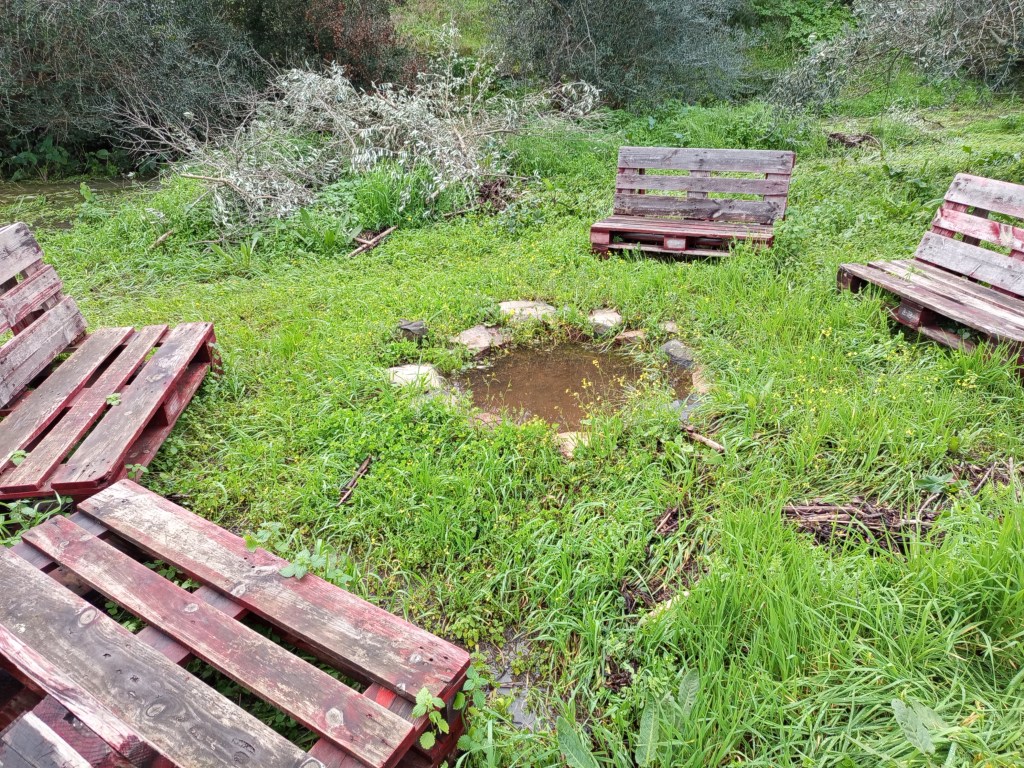
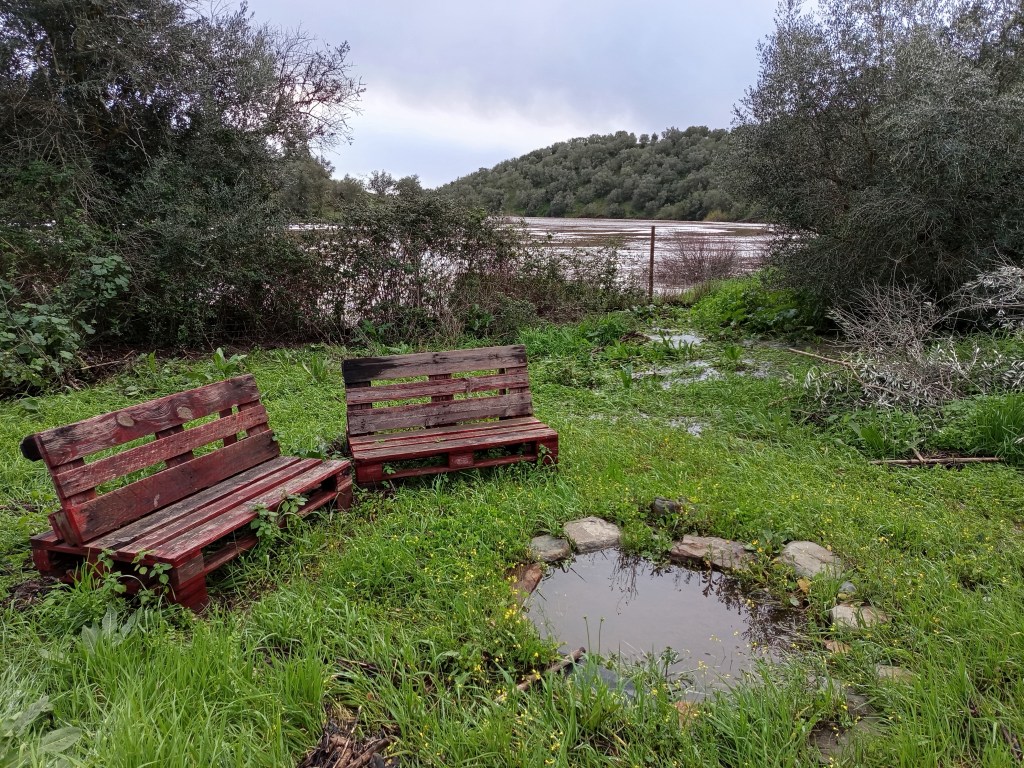
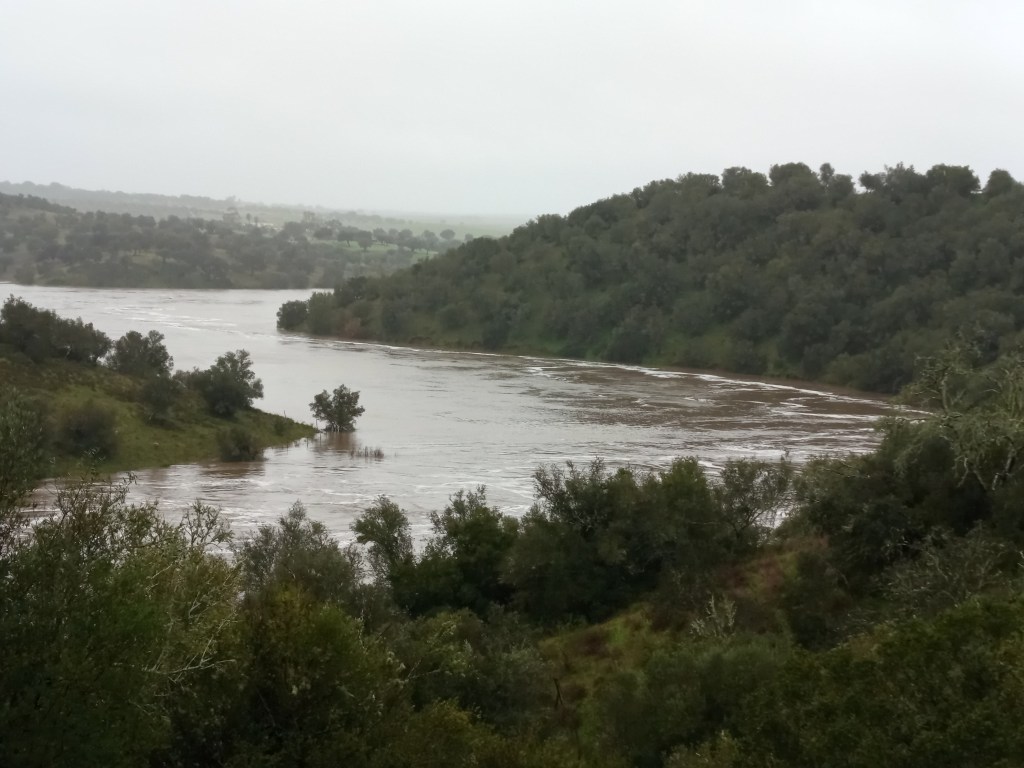
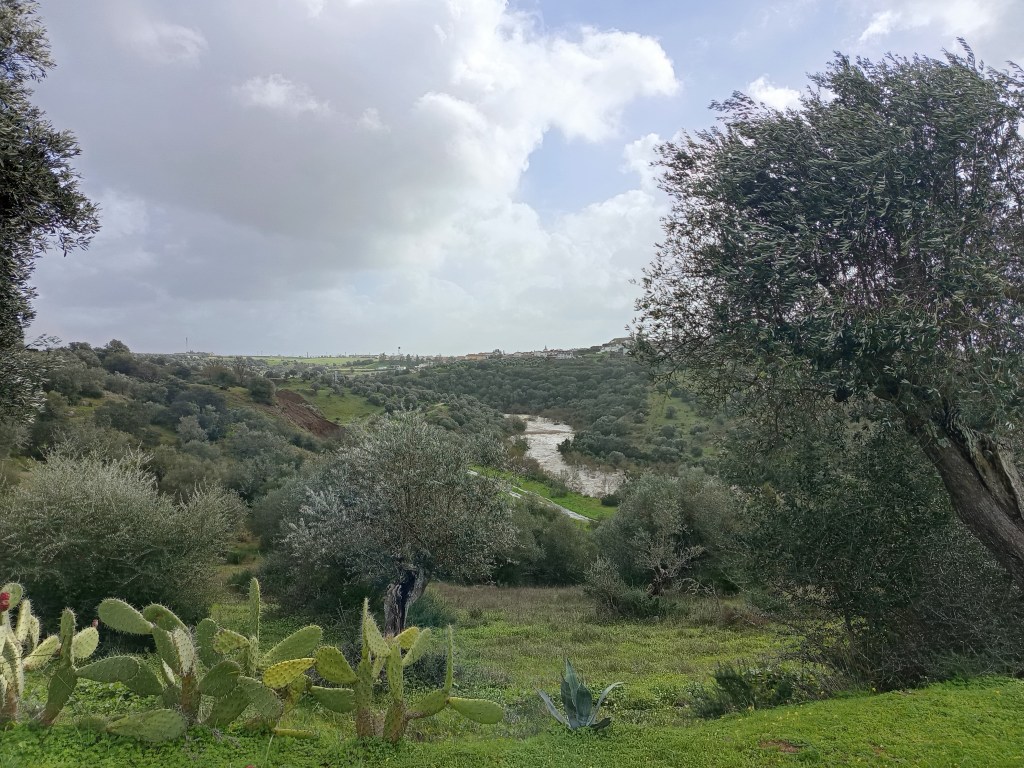
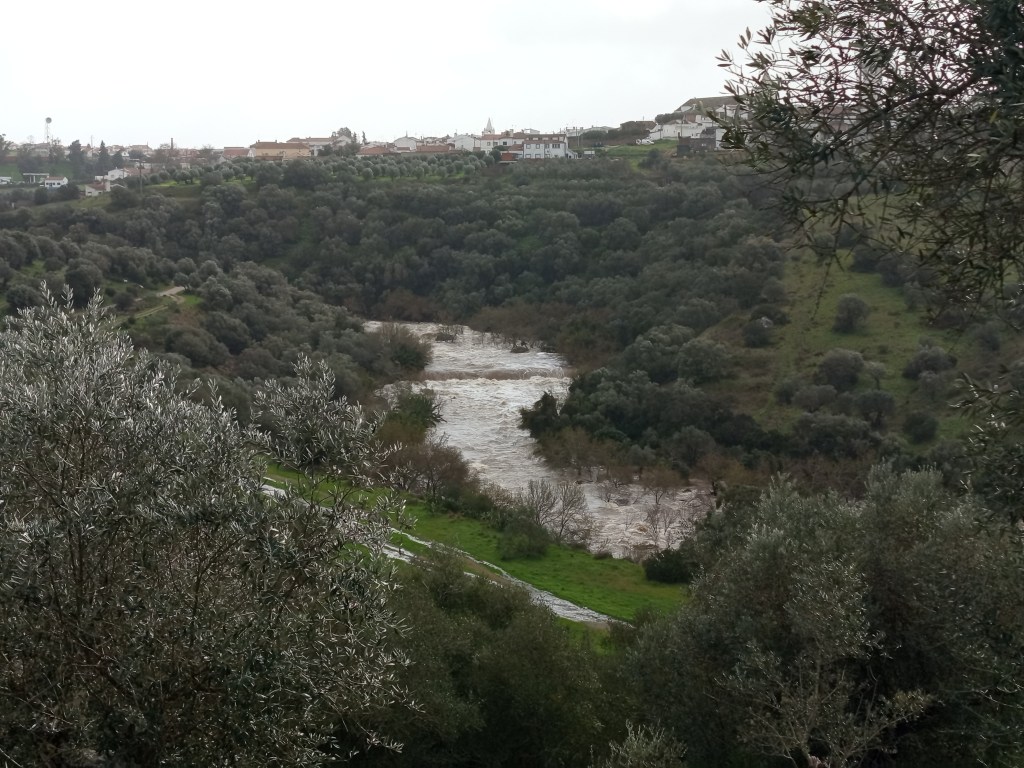
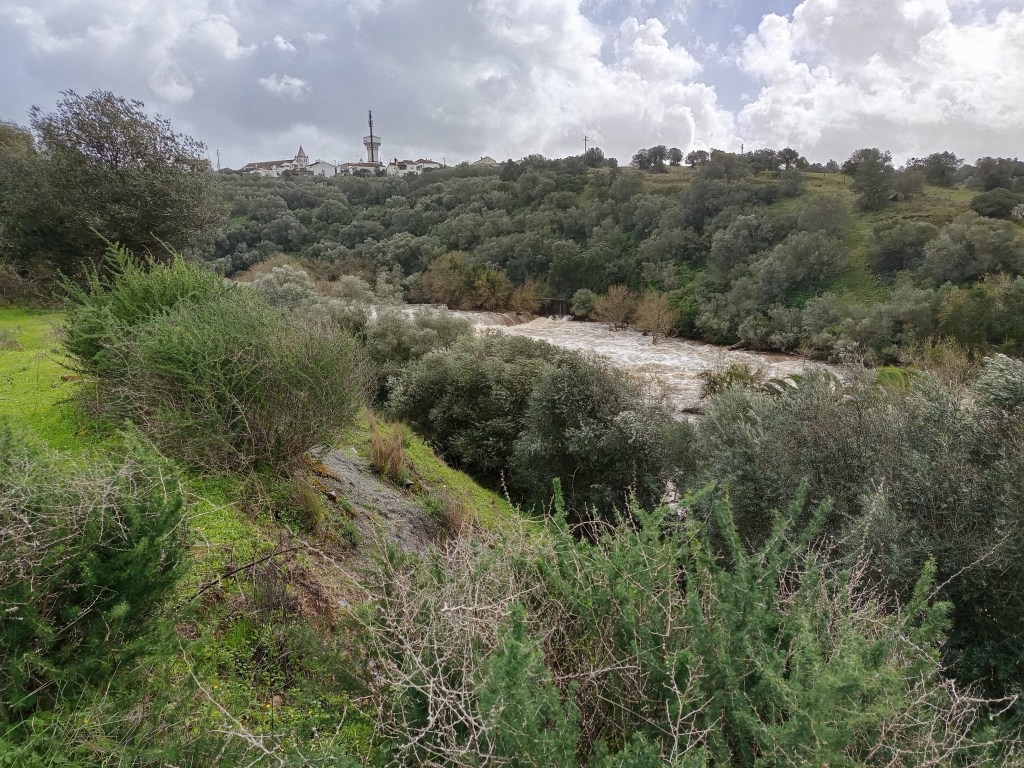
Here a few pictures and videos of our land during the storms. The water level of our lake was as high as the lowest part of our land. Our pump (water) house was once about 1m submerged. All the water in the lake went to Alcacer do Sal where the ground floor of the houses next to the river where completely under water.
Discover the Power of Organic Oregano Oil from Portugal
In the heart of the Alentejo, where the sun shines generously and nature thrives, a unique oil is born – our Organic Oregano Oil. Crafted with passion and respect for the land, it combines two of the Mediterranean’s most treasured ingredients: extra virgin organic olive oil and hand-picked organic oregano.
For three months, the herbs gently infuse their rich aroma into the oil, creating a product that is not only delicious but also full of valuable nutrients to support your well-being.
Why Oregano Oil?
Oregano has been used for centuries in Mediterranean kitchens and traditional remedies. Infused into our organic olive oil, it unlocks a wealth of natural benefits:
- 🌿 Rich in healthy fats – Olive oil provides monounsaturated fatty acids that promote heart health and help balance cholesterol levels.
- 🌞 Natural protection – Vitamin E and polyphenols act as antioxidants, protecting cells from oxidative stress.
- 🍃 Oregano’s essential oils – Carvacrol and thymol are known for their antioxidant and digestive-supporting properties.
- 💪 Boosts immunity – Flavonoids and rosmarinic acid gently strengthen the immune system and reduce inflammation.
A Taste of the Mediterranean
Beyond its health benefits, Organic Oregano Oil is a delight for the senses. Its flavor is vibrant and aromatic, making it a versatile companion in the kitchen.
✨ Try it over fresh salads, roasted vegetables, pasta, grilled fish – or simply with warm bread as a dip. Each drop brings the sun and soil of Portugal directly to your table.
Sizes & Availability
Our Organic Oregano Oil is available in:
- 250 ml – €15
- 1 liter – €55 (save €5 compared to smaller bottles)
👉 Available now in limited quantities.
Order Organic Oregano Oil here
Experience Balance with Equilibrio
At Equilibrio, we believe in products that connect people with nature – pure, honest, and crafted with care. Our Organic Oregano Oil is more than just an ingredient; it’s a celebration of health, flavor, and the Mediterranean way of life.
Bring Portugal’s sunshine to your kitchen – and experience the harmony of aroma, taste, and well-being. 🌿
Events 2024
Spring is around the corner and we just announced our events for the first half of 2024. Go have a look at the dates here.
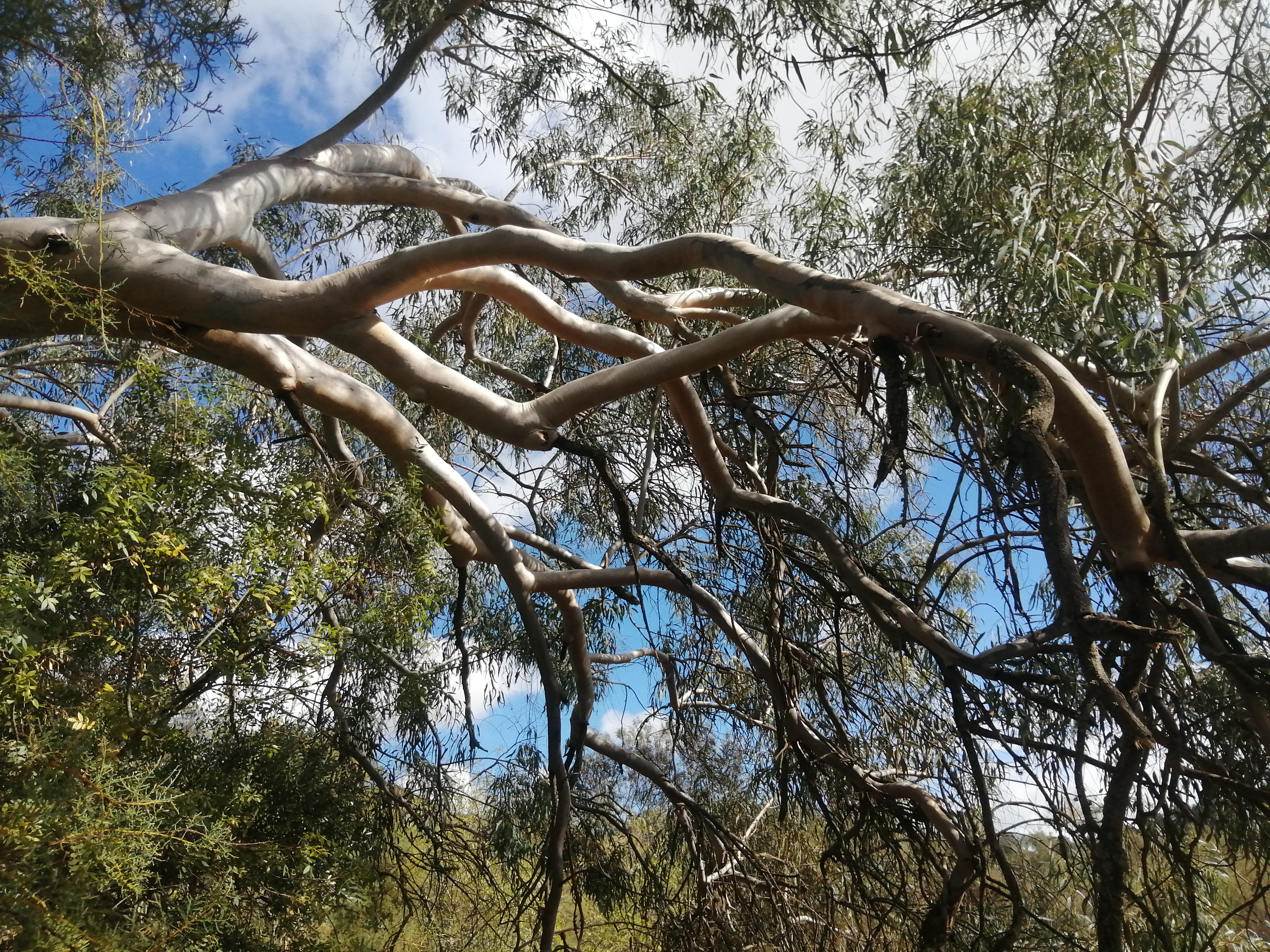
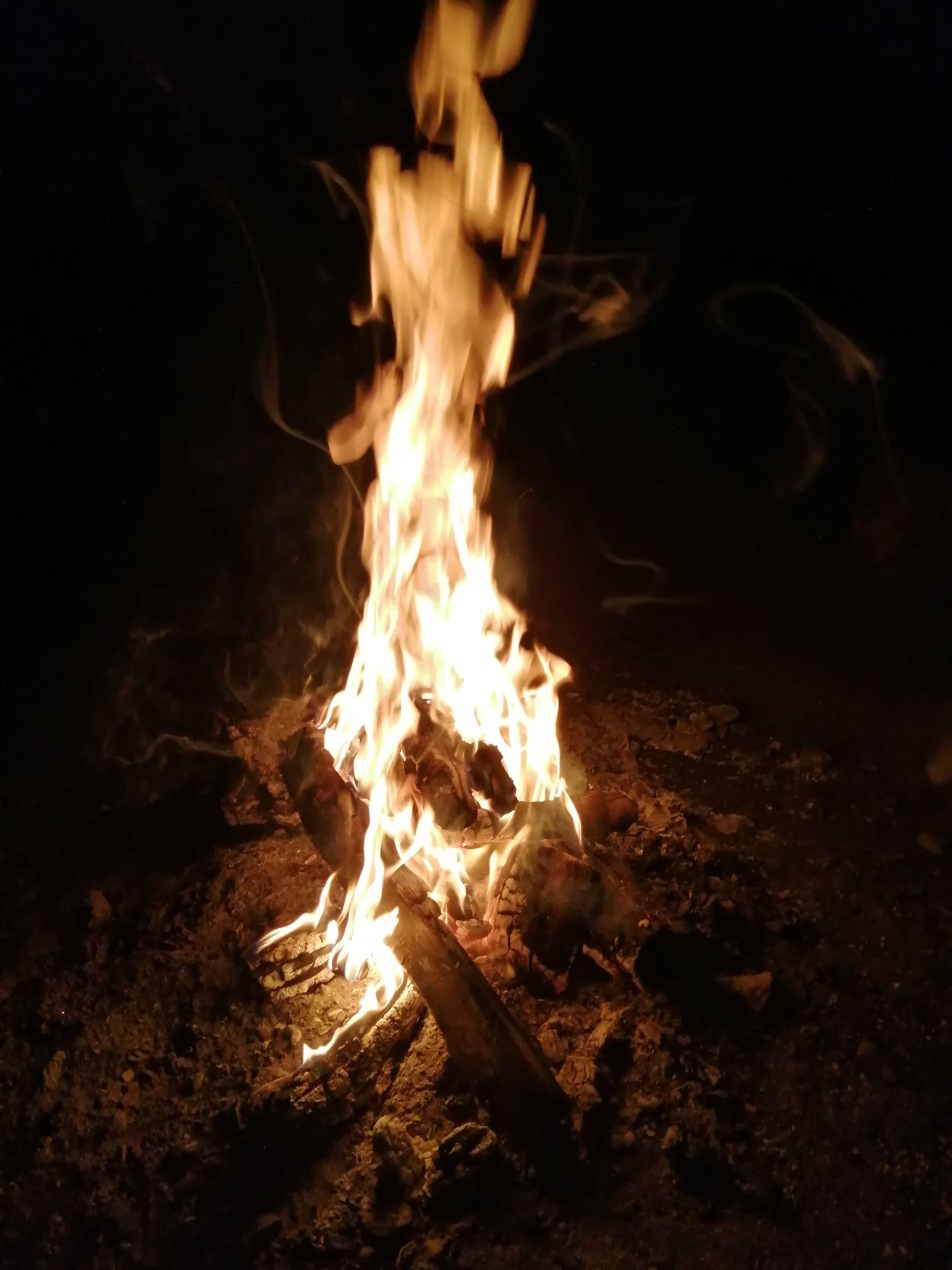
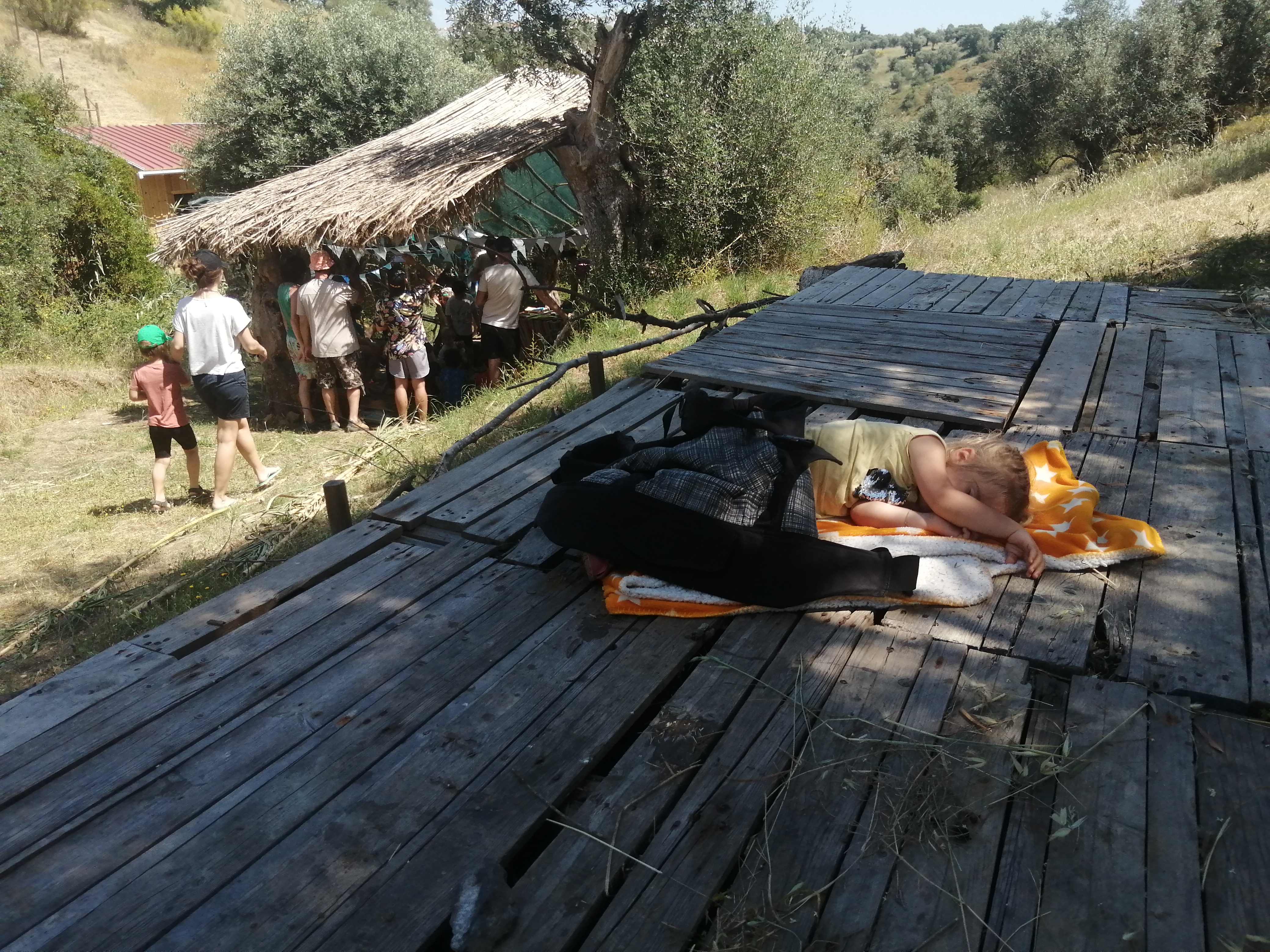
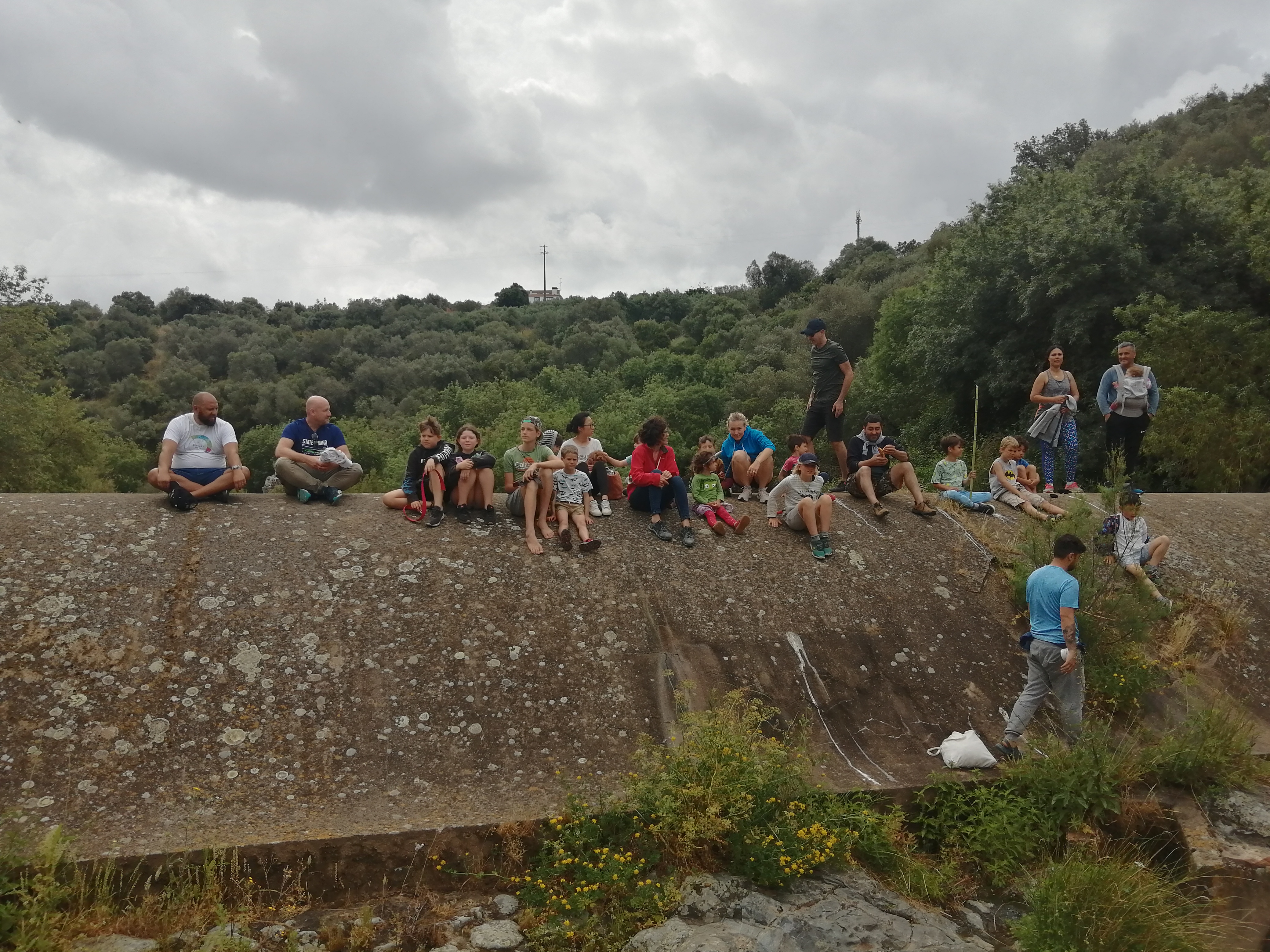
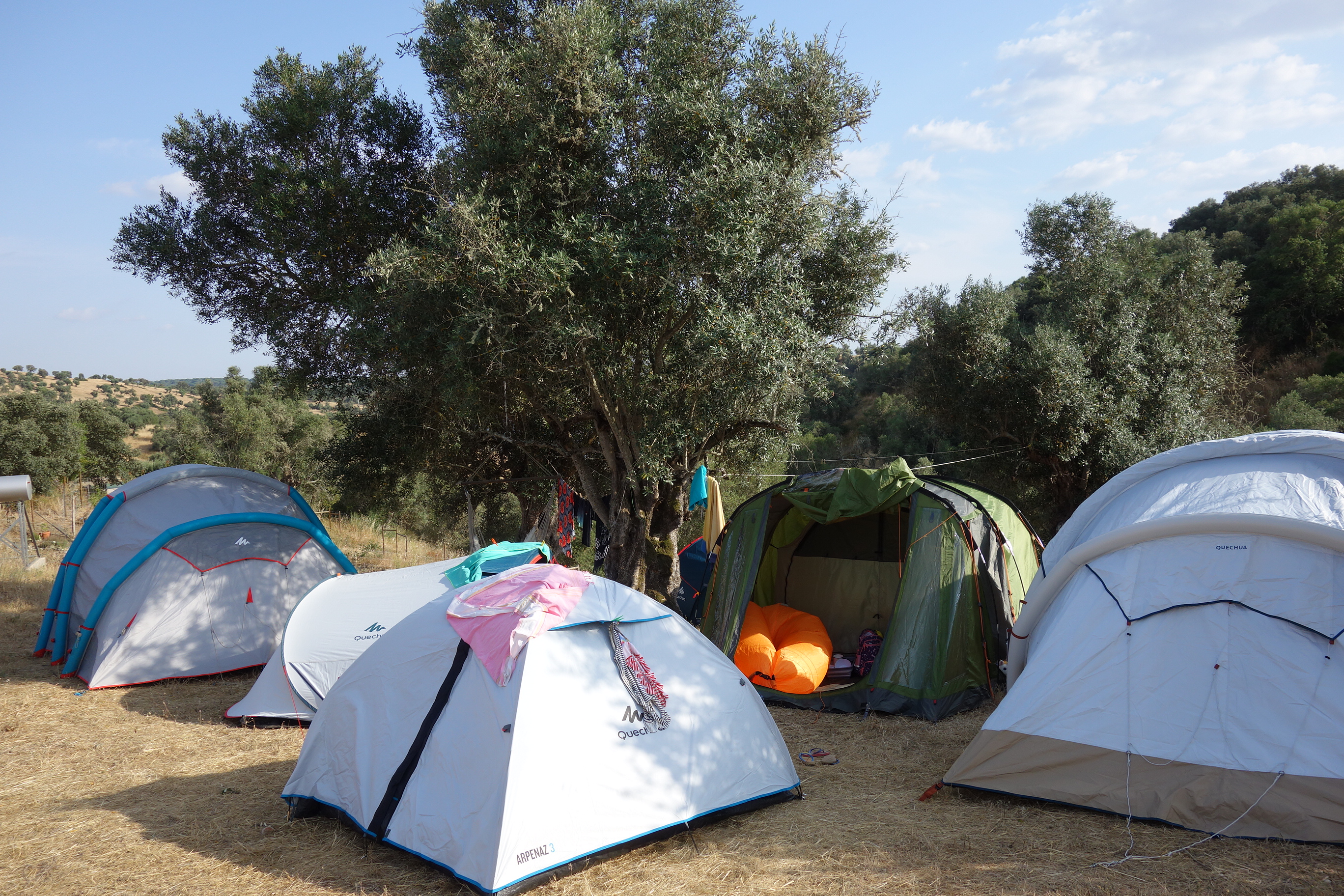
We are excited for our first Family Survival Camp in March and hopefully we see you there!



Family Survival Camp June
The last camp before the summer break is happening from the
9th to 11th of June!
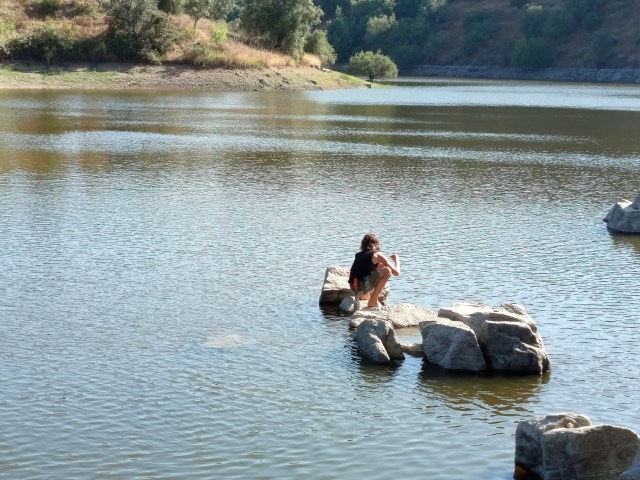
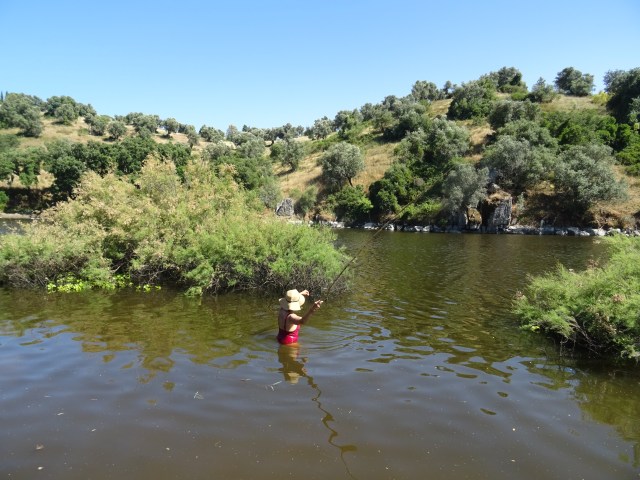
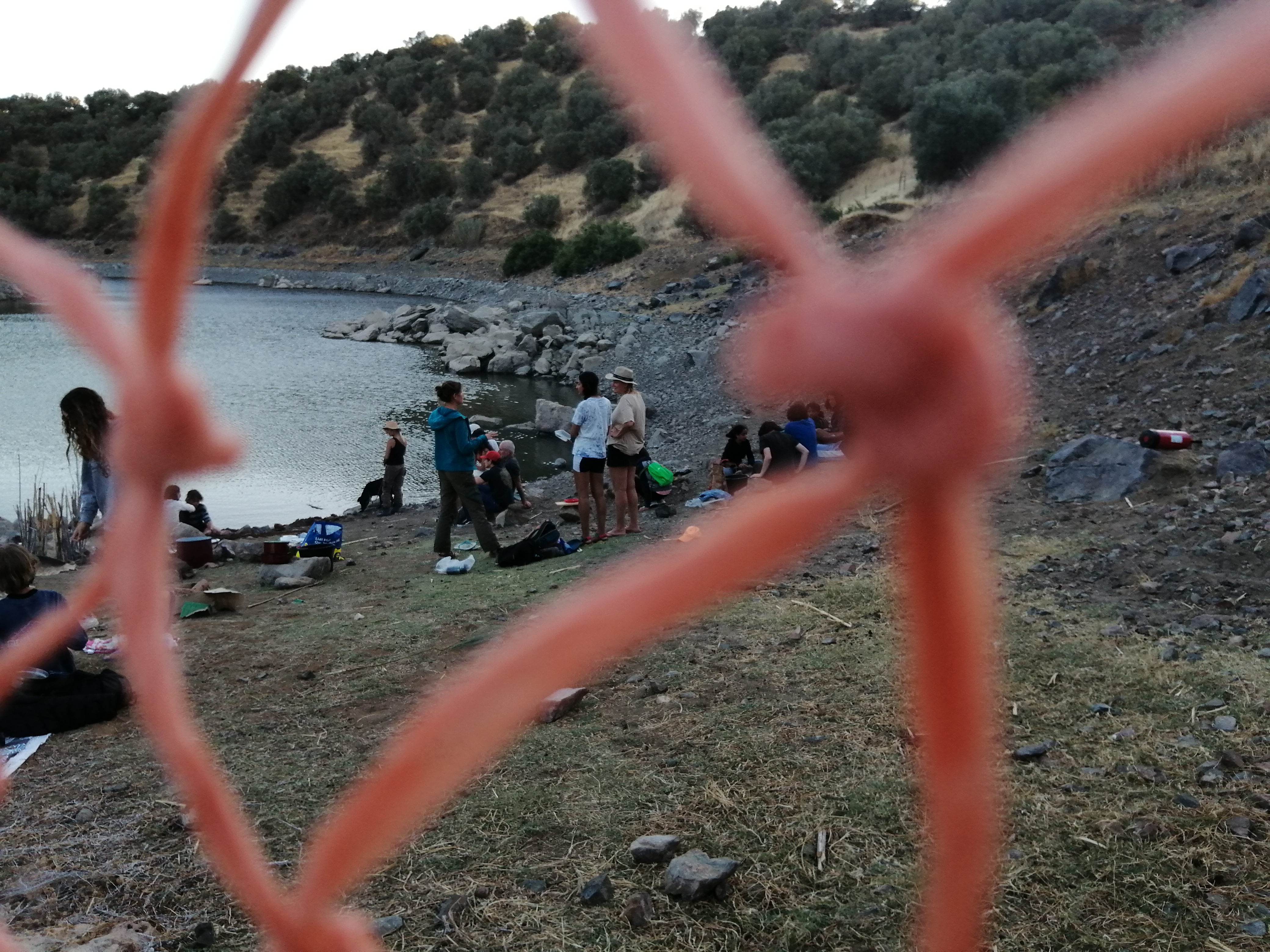
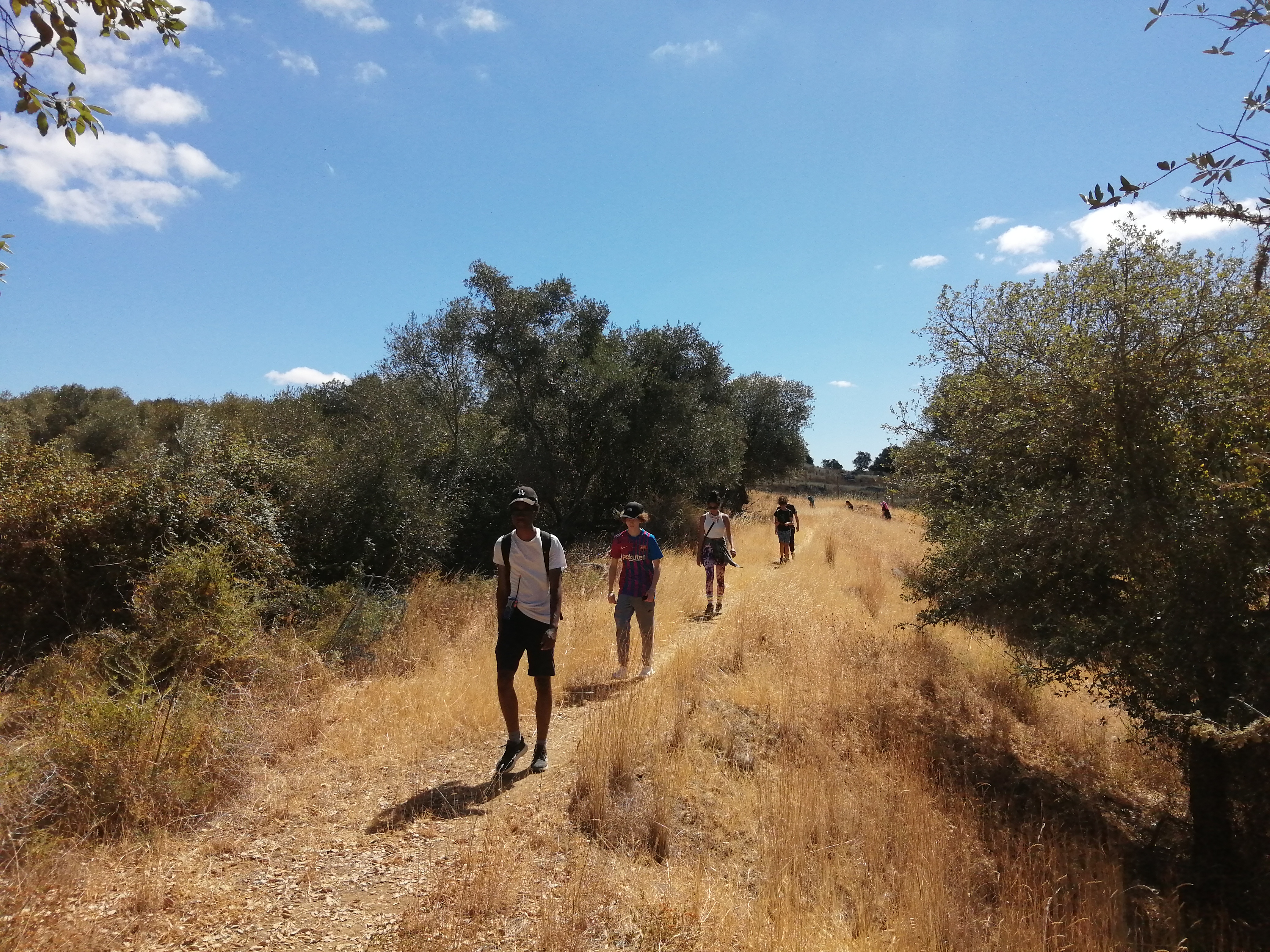
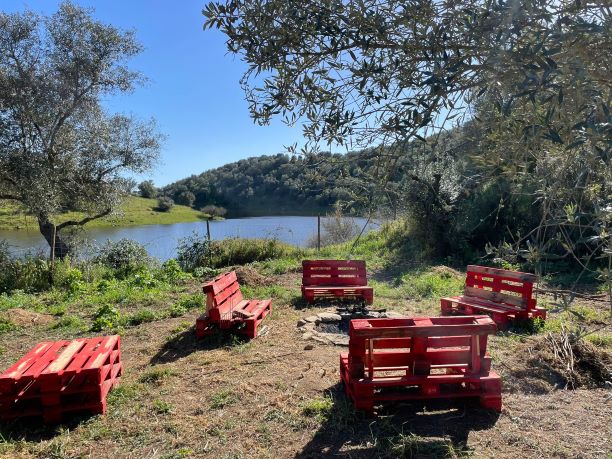
Fishing, fish traps, swimming in the lake, exploring the surrounding and many more activities are waiting for you!
Get more infos HERE.


